


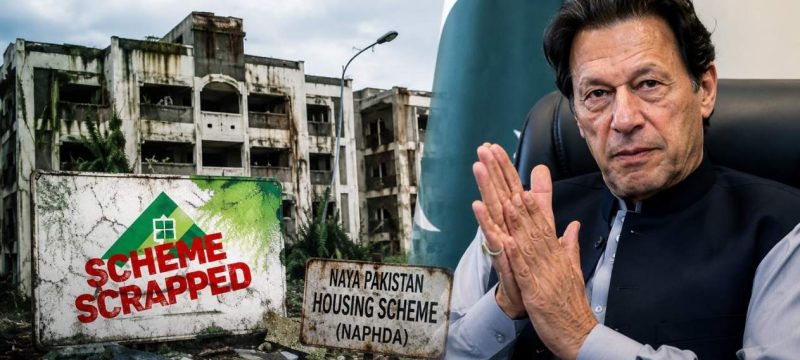
The federal government is moving forward with plans to abolish the Naya Pakistan Housing and Development Authority (NAPHDA), marking a major shift in Pakistan’s housing policy.
The decision comes as part of the government’s broader rightsizing and cost-cutting reforms aimed at reducing the size of public institutions and improving efficiency.
According to reports, the federal cabinet has approved a proposal to wind up the authority and repeal the NAPHDA Act, 2020. A draft bill for the repeal has already been prepared after receiving legal clearance from the Law and Justice Division.
The move could bring an end to one of the flagship initiatives launched during former Prime Minister Imran Khan’s tenure. The Naya Pakistan housing programme was introduced with the goal of providing affordable homes to low- and middle-income families across the country.
NAPHDA was established to address Pakistan’s growing housing shortage. The authority was tasked with planning, developing, and managing affordable housing projects through public-private partnerships.
Under the Naya Pakistan vision, the government pledged to facilitate the construction of five million homes. The programme aimed to help reduce a national housing shortage estimated at around 10 million units.
During its operations, NAPHDA launched housing projects in several cities, including Islamabad, Lahore, Sargodha, Chiniot, and Nowshera. The authority also planned more than 100,000 housing units through partnerships with private developers.
Officials say the authority facilitated nearly 28,000 homes through collaboration with the Akhuwat Foundation. It also supported more than 31,000 housing units under the Mera Pakistan Mera Ghar financing scheme.
The authority played a key role in expanding access to housing finance. By June 2022, commercial banks had reportedly disbursed around Rs120 billion in home loans under government-backed programmes.
Despite these achievements, the project faced several challenges. Rising construction costs, funding limitations, land acquisition issues, and regulatory hurdles slowed progress. Critics argued that the pace of development remained far below the original target of five million homes.
The decision to dissolve NAPHDA followed a government performance review and recommendations from the Cabinet Committee on Rightsizing. Authorities concluded that restructuring efforts were needed as part of wider reforms.
However, government officials insist that affordable housing remains a priority. They say future housing initiatives will continue under alternative frameworks, including the Prime Minister’s Apna Ghar Programme.
Officials believe the new approach will focus on subsidized financing and concessional loans for prospective homeowners while continuing efforts to improve access to affordable housing.
In other news read more about: Zero Property Transaction Tax Proposal Faces IMF Scrutiny in Budget Talks
As the government moves to repeal NAPHDA, the future of the Naya Pakistan housing vision remains a topic of debate. Supporters point to the programme’s achievements in housing finance and development, while critics argue that its ambitious goals were never fully achieved.