


Pakistan may soon bring back a four-day workweek as the government considers new fuel-saving measures amid rising global oil prices. The proposals come as growing tensions in the Middle East threaten energy supplies and increase pressure on the country’s foreign exchange reserves.
Only weeks after ending emergency fuel conservation measures, Pakistan is once again evaluating steps to reduce fuel consumption. Officials believe the worsening Gulf crisis could significantly increase the country’s import bill if international oil prices continue to climb.
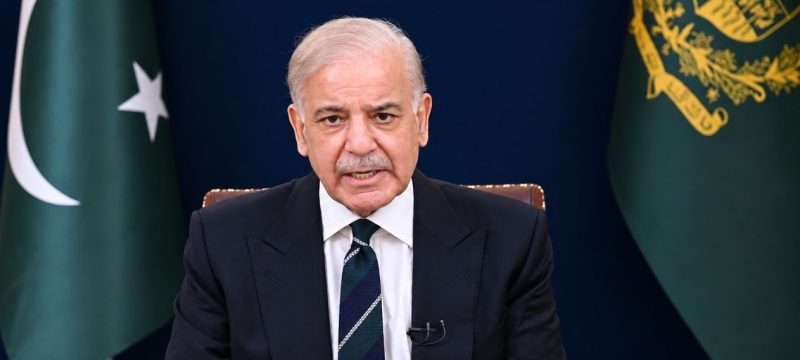
According to government officials, Prime Minister Shehbaz Sharif and other senior leaders recently reviewed several proposals aimed at lowering fuel usage across the country. Among the options under discussion is the possible return of the four-day workweek, along with other austerity measures introduced earlier this year.
The proposals are expected to be presented before the federal cabinet this week or next. If approved, the measures could be implemented to reduce fuel demand and limit the financial impact of expensive energy imports.
The government is trying to prepare for another possible energy shock as oil prices continue to rise in global markets. Officials believe that reducing fuel consumption could help ease pressure on Pakistan’s economy and protect valuable foreign exchange reserves.
The discussions come shortly after the government introduced daily fuel price revisions under its updated petroleum pricing system. While the frequency of fuel price announcements has changed, officials clarified that the government continues to maintain control over petroleum pricing.
Authorities explained that the Oil and Gas Regulatory Authority (OGRA) has always calculated fuel prices on a daily basis. Previously, however, consumers only saw weekly or fortnightly price adjustments.
Under the revised pricing mechanism, OGRA will continue using international benchmark prices published by S&P Global Energy Platts. The main difference is that fuel prices will now be calculated using a rolling average system. This method replaces the oldest daily price with the newest available international price to determine the latest fuel rates.
Officials said the first calculation under the new system covered import prices from July 9 to July 17. Earlier pricing revisions were based on a shorter five-day period.
Meanwhile, international oil markets remain under pressure due to escalating tensions involving the United States and Iran. Investors are increasingly concerned that the conflict could disrupt global energy supplies.
Brent crude oil rose by more than three percent over the weekend, climbing above 90 dollars per barrel and nearing 91 dollars. West Texas Intermediate (WTI) crude also increased to around 85 dollars per barrel.
Markets are particularly focused on the Strait of Hormuz, one of the world’s busiest oil shipping routes. Reports suggest shipping activity through the strait has slowed, while attacks on regional energy infrastructure, including oil facilities and power plants, have increased concerns about future supply disruptions.
In other news read more about: Pakistani Freelancers Earn Record $1.76 Billion in FY26
If oil prices continue to rise, Pakistan could face higher import costs and increased economic pressure. Government officials believe temporary fuel conservation measures, including the possible return of a four-day workweek, may help reduce fuel consumption while supporting economic stability during the ongoing global energy uncertainty.