


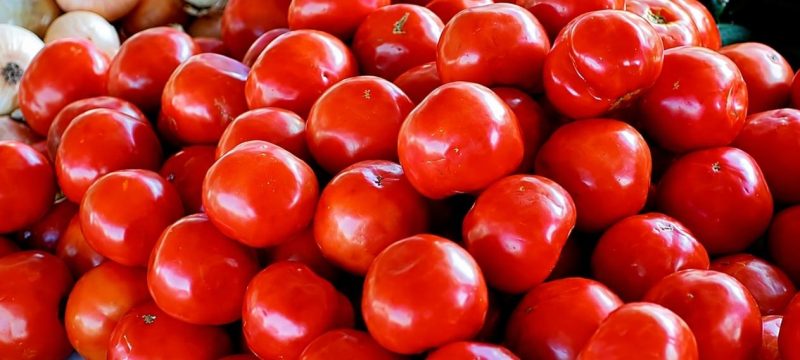
Tomato prices in Pakistan have climbed sharply, with retail rates reaching between Rs450 and Rs500 per kilogram despite the arrival of imported supplies from Iran. The continued increase has added to the burden on consumers, who are already facing rising food costs across the country.
Retailers say both Iranian and Quetta-grown tomatoes are currently being sold at nearly the same prices. Even smaller-sized and partially unripe tomatoes are available at around Rs400 per kilogram, leaving buyers with few affordable options.
According to shopkeepers, many retailers are hesitant to stock Iranian Tomato varieties. They say the imported produce becomes soft quickly, spoils faster than local tomatoes, and has a different taste, making it less popular with customers.
The rising prices have also changed buying habits. Traders report that many consumers now purchase only a few tomatoes at a time to manage household expenses. In many markets, buyers are spending Rs50 to Rs60 for just two or three small tomatoes.
Market trends show that Tomato prices have increased steadily over the past few months. In April, tomatoes were selling for around Rs80 to Rs100 per kilogram. By the third week of June, prices had risen to between Rs120 and Rs160 per kilogram. Earlier this month, prices crossed Rs300 per kilogram, and they have now reached as high as Rs500 per kilogram in several markets.
Industry experts believe the sharp increase is mainly due to limited supply. Tomato grower and former Karachi Chamber of Commerce and Industry Vice President Younis Soomro said only around 10 containers of Iranian tomatoes are arriving in Pakistan each day. He added that nearly 30 percent of the imported tomatoes are already damaged before reaching Karachi, reducing the quantity available for sale.
Soomro explained that the market is currently relying heavily on limited production from Balochistan, which is not enough to meet nationwide demand. As a result, the shortage has pushed prices even higher.
Meanwhile, tomato production has recently started in Sindh, but larger supplies are not expected to reach markets until mid-September. Farmers and traders hope the new crop will improve availability and help stabilize prices.
Tomato production in Punjab and Khyber Pakhtunkhwa mainly serves local markets within those provinces, leaving limited quantities for other regions. This has further tightened supply in major urban centers, including Karachi.
Consumers are hoping prices will ease once the new domestic harvest arrives. Until then, many households may continue to limit purchases as the cost of essential vegetables remains high.
In other news read more about: Petrol Pump Owners Announce Nationwide Strike After Talks With Government Fail
The latest increase highlights the ongoing challenges facing Pakistan’s agricultural supply chain. Traders believe better transportation, reduced post-harvest losses, and improved local production could help prevent similar price spikes in the future.