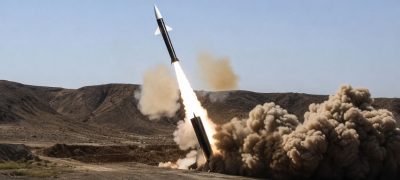



The latest Missiles Strike by the United States on targets across Iran has increased tensions across the Middle East. The attacks took place on Friday as U.S. President Donald Trump warned Iran and its Houthi allies of possible further military action while also leaving the door open for diplomacy.
The renewed fighting comes after an interim truce collapsed two weeks ago. The breakdown of the ceasefire has raised concerns that the conflict could spread further across the region and involve more countries.
According to reports, Iran responded by launching attacks toward U.S. military bases located in Kuwait, Bahrain, Jordan, and Iraq. Tehran also warned that non-military buildings in those countries could become targets if they were being used by U.S. personnel.
The recent Missiles Strike follows weeks of growing military pressure between Washington and Tehran. President Trump has repeatedly warned that the United States could expand its operations if the conflict continues. He has mentioned the possibility of targeting Iran’s energy facilities, bridges, oil infrastructure, and other strategic locations.
Trump also referred to potential military operations involving Kharg Island, Iran’s main oil export terminal, and Pickaxe Mountain, a heavily fortified site linked to Iran’s nuclear program. However, he said no final decision had been made regarding additional large-scale attacks.
Speaking at the White House, Trump said Iran had not yet experienced enough military pressure but emphasized that negotiations remained an option. He stated that Washington would prefer a diplomatic agreement if Tehran agreed to acceptable terms.
The ongoing Missiles Strike has also drawn attention from regional countries. Gulf states remain concerned because several U.S. military bases are located within their borders. Any further escalation could put those installations at greater risk.
Meanwhile, Saudi Arabia has also faced growing security concerns. Reports said a Saudi-linked vessel suffered minor damage during an attack in the Red Sea. The Houthis have also declared a naval blockade against Saudi Arabia, increasing pressure on commercial shipping routes.
The Saudi-led coalition responded by carrying out strikes on Houthi military positions in Yemen. Coalition officials said the targeted sites were being used to threaten international shipping. Independent verification of those reports has not yet been confirmed.
The conflict has also affected global energy markets. Oil prices rose sharply after attacks on shipping routes before easing later in the day. Several oil tankers changed their routes to avoid dangerous waters, while shipping insurance costs increased due to higher security risks.
Pakistan is also reported to be exploring diplomatic efforts aimed at restarting talks between the United States and Iran. According to sources, discussions took place during the recent visit of Iran’s Interior Minister to Islamabad. China is also reportedly supporting efforts to encourage dialogue.
The humanitarian impact of the conflict continues to grow. Iranian authorities reported dozens of deaths and hundreds of injuries following renewed U.S. airstrikes. The Pentagon has also confirmed casualties and injuries among American service members since fighting intensified.
In other news read more about: Eight Muslim Nations Condemn Israeli Actions at Al-Aqsa Mosque
Despite the continuing military operations, international attention remains focused on finding a peaceful solution. Diplomats from several countries are working to reduce tensions and prevent a wider regional conflict. However, uncertainty remains high as both military action and diplomatic negotiations continue side by side.