The Oxford University’s Pitt Rivers Museum is returning the remains of 39 people to India’s Naga community. The remains were taken during British colonial rule in India.
A delegation of nearly 30 people from Nagaland travelled to Britain for the handover ceremony. The northeastern Indian state shares its border with Myanmar.
The return marks an important moment for the Naga community. Tribal leaders have described the ceremony as a historic step towards restoring their ancestral heritage.
The Oxford museum is handing over ancestral human remains, mainly skulls, to representatives of the Naga people. The community plans to give them a respectful burial.
Naga Delegation Welcomes Historic Return
The delegation includes representatives from different Naga tribes. Their leaders have joined efforts to bring the ancestral remains back to their homeland.
Thejao Vihienuo, president of the Angami tribe’s public organisation, described the handover as a historic occasion. He said the community would give the remains a respectful final resting place.
The tribal leaders plan to bury the remains together beneath a joint memorial. This will provide a shared place to honour their ancestors.
Vihienuo also explained the emotional importance of the return. He questioned how the remains were originally taken from their homeland.
He said people would rarely give away the skulls of their fathers or grandfathers. His remarks highlighted the cultural and emotional significance of the remains.
Oxford Museum Acknowledges Colonial History
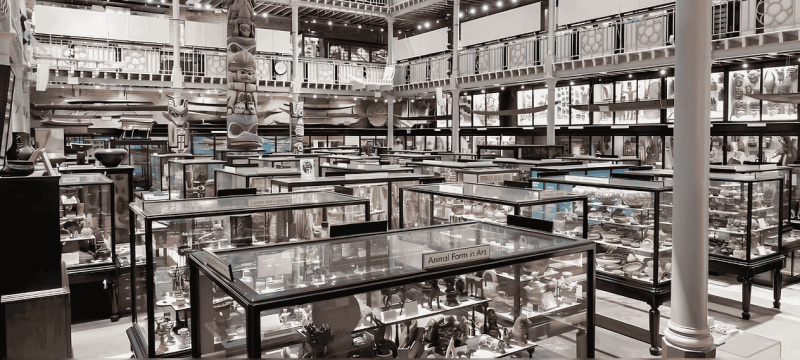
The Pitt Rivers Museum was established in the 19th century. It holds an extensive collection of cultural objects from communities worldwide.
Its collection includes more than 6,000 objects connected to Naga culture. This is considered the largest collection of its kind globally.
Museum director Laura Van Broekhoven described the handover as a historic and solemn moment. She also acknowledged the difficult history behind the collection.
The human remains arrived in Oxford between approximately 1910 and 1940. Two British colonial administrators, who also worked as anthropologists, collected most of them.
According to the museum, many remains were taken during punitive military expeditions. They were not necessarily given voluntarily by the communities.
The museum has worked with Naga representatives for six years to arrange the return. The process involved discussions and efforts to address a sensitive historical issue.
Museum Continues Reviewing Its Human Remains Collection
The Oxford museum has also reviewed how it displays and stores human remains. It removed all human remains from public exhibitions in 2020.
However, around 2,700 human remains are still held in its storage facilities. The director acknowledged that many were collected under different ethical standards.
She said past collection practices must be examined through modern ethical perspectives. The museum has previously returned human remains to Indigenous communities in Australia, New Zealand, and the United States.
Naga Community Plans Respectful Burial
The return represents an important step for the Naga community. Tribal representatives hope to honour their ancestors through a collective memorial.
The delegation also met descendants of one of the anthropologists involved in collecting the remains. The meeting formed part of their visit to Britain.
The handover reflects a wider movement among Western museums. Many institutions are reconsidering colonial collections and returning cultural and ancestral remains.
For the Naga people, the return carries deep historical and cultural importance. It will allow the community to bring their ancestors home and provide them with a respectful burial.
In other news read more about: Dinosaur Footprints Unearthed in Oxfordshire Quarry, Expanding Middle Jurassic “Highway”