After 18 years in telecom and fintech, Omer Ikram set out to build financial products around the way Pakistanis already manage their money. His first, Kommittee, has drawn 156,535 users since July.
Building a fintech company takes more than technology. It takes an understanding of how people use money, how financial institutions work, and how an idea becomes a service people actually trust.
For Omer Ikram, founder and CEO of Otus Apps and its financial platform Bachat, that understanding comes from 18 years of professional experience, more than 15 of them in fintech and telecommunications.
Experience before entrepreneurship
Ikram began his career in network analysis at Telenor. He later worked in product management at easypaisa and served as Head of Revenue Operations at PayActive.
Those roles took him from network systems to customer-facing financial products and the operations behind them. They also showed him the gap between what financial services offered and how ordinary people actually saved, borrowed and planned.
Founding a company brought a different set of responsibilities: defining the product, building the team, managing limited resources and winning the partnerships needed to reach customers.
Building Otus Apps and Bachat
Otus Apps was founded in March 2023 in Islamabad to build digital financial products. Its platform, Bachat, brings together three: Kommittee for saving together, Kamai for earned wage access, and buy now, pay later.
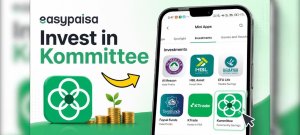
Kommittee came first. It takes the traditional committee, where members contribute monthly and take turns receiving the pool, and runs it inside a mobile wallet. Since going live inside easypaisa on 12 July 2026, it has drawn 156,535 users and 1,032 joined pools, with no paid advertising.
The company’s approach, summed up in its tagline “Empathy Meets Innovation”, is to start with people’s lives and build what helps them get ahead. People save for a wedding, a school year, a home or a business, and products should be designed around those goals.
The reality of building from the ground up
Otus Apps has been bootstrapped to date, which makes every decision a trade-off: which product to build first, where to spend limited resources, and when to push a partnership forward.
Enterprise partnerships open doors, but they bring dependencies, integration work and timelines a startup cannot always control. The setbacks rarely appear in the polished stories told about entrepreneurship.
Ikram is open about what the journey has taken.
“The people closest to me know this journey wasn’t easy. There were setbacks, disappointments, and moments when the easier choice would have been to walk away.
But we kept going.
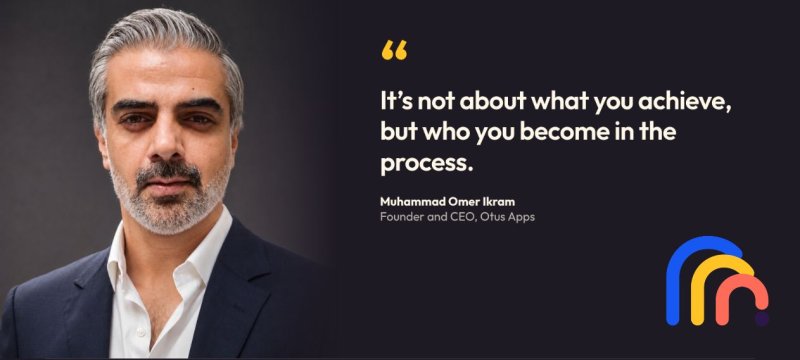
There were countless lessons along the way. One of them was realizing that it’s not about what you achieve, but who you become in the process. The rest is from Allah.”
A broader vision for financial wellness
Saving together, earned wage access and buy now, pay later meet different needs. Together they point to a larger idea: a member who pays into a committee on time every month is building a record of financial discipline, one that can help people traditionally overlooked by banks reach fairer financial products.
For Pakistan’s fintech sector, the opportunity lies not only in digitising existing habits but in improving how people experience financial services. That needs both innovation and execution.
For Ikram, building the company has carried a lesson beyond business: success is defined not only by what a person builds, but by who they become while building it.