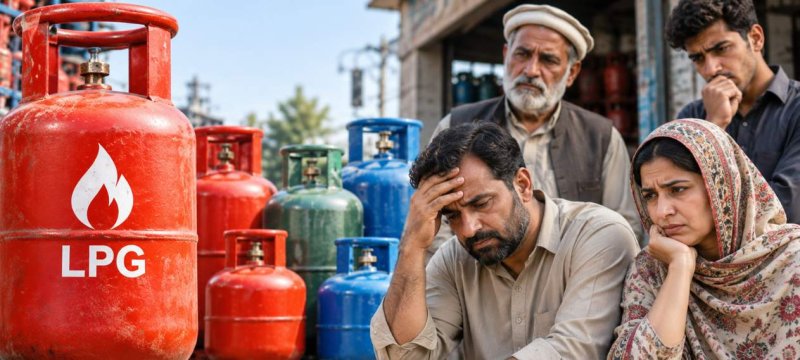
Liquefied petroleum gas (LPG) prices have surged in Pakistan’s open market, creating additional financial pressure on households already facing rising living costs.
Consumers are reportedly paying between Rs 500 and Rs 550 per kilogram in several markets. However, the official maximum consumer price remains around Rs 294 per kilogram for November 2026.
The difference has raised concerns about LPG availability, market monitoring, and the enforcement of government price regulations.
According to the Oil and Gas Regulatory Authority (OGRA), the notified LPG consumer price is Rs 294.08 per kilogram. The price became effective on November 1, 2026.
At the reported open-market rate of Rs 550, consumers are paying approximately Rs 256 more per kilogram than the official maximum.
The situation has made cooking fuel increasingly expensive for families that depend on LPG cylinders for their daily household needs.
Recent reporting by Dawn has also highlighted the price gap. It reported that LPG prices in some open markets had reached Rs 630 per kilogram, while company-operated franchises were charging up to Rs 400.
The reported prices indicate significant differences across suppliers and markets.
Natural gas supply problems have added to the difficulties faced by many households. Frequent interruptions and low pipeline pressure can force consumers to depend on LPG cylinders.
For these families, switching to another cooking fuel is not always a practical option. They must continue purchasing LPG despite the higher prices.
Local retailers have reportedly attributed the increase to higher purchasing and supply costs. Some shopkeepers claim they receive LPG at prices above the government-notified rate.
However, consumers remain concerned about the difference between the official maximum and the prices charged at retail outlets.
The shortage has also raised questions about supply arrangements and the role of distributors and marketing companies.
Rising LPG prices are particularly difficult for low-income households. Many families are already managing higher expenses for groceries, electricity, transportation, and other essential items.
The additional cost of cooking fuel further affects their monthly budgets. Even a small increase in the price per kilogram can significantly raise household expenses.
Consumers have called on the government and relevant authorities to improve market inspections and ensure compliance with OGRA’s notified rates.
They have also urged officials to investigate reports of overcharging and address supply shortages.
The November price notification sets the maximum consumer rate, but consumers continue to face much higher prices in parts of the open market.
In other news read more about: CCD Sets Up Checkpoints Outside Lahore Schools to Check Cigarettes and Vapes
Effective monitoring and reliable LPG supplies remain important to protecting households from further increases in cooking fuel expenses.