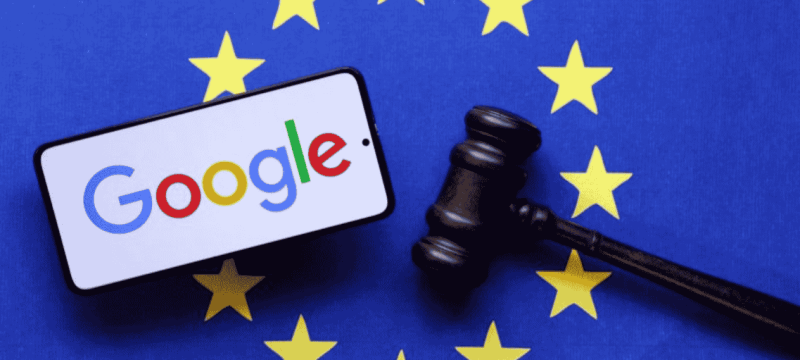
Alphabet’s Google has proposed new measures to make its advertising tools easier for publishers and advertisers to use, in response to EU antitrust concerns. The company aims to avoid selling parts of its ad technology business, which regulators had suggested to address potential conflicts of interest.
The European Commission fined Google €2.95 billion ($3.4 billion) in September for favoring its own display advertising services, which reinforced the central role of its ad exchange, AdX. Regulators argued this practice harmed competitors, advertisers, and publishers. The EU gave Google until November to propose remedies, including the possible sale of part of its adtech business.
Google submitted its proposal on Friday, mirroring a plan it had offered to the U.S. Department of Justice in a similar investigation. “Our proposal fully addresses the EC’s decision without a disruptive break-up that would harm thousands of European publishers and advertisers who use Google tools,” the company said in a blog post.
The new measures include giving publishers the ability to set different minimum prices for various bidders in Google Ad Manager. Google also pledged to improve interoperability between its advertising tools, offering advertisers and publishers more flexibility and choice.
Sources familiar with the matter told Reuters that the EU could still order a breakup if Google’s practices remain anti-competitive, citing a precedent from Microsoft’s case two decades ago.
In the U.S., the Department of Justice is pursuing a similar case, asking Google to sell AdX. Google has said a sale would be technically unfeasible and create prolonged uncertainty for advertisers and publishers. The case is currently before a U.S. court, and a ruling could influence the European Commission’s next steps.
Google’s proposals highlight the company’s effort to comply with antitrust concerns while maintaining its control over key advertising infrastructure, which powers much of the online display ad market globally.
This plan demonstrates Google’s approach to balancing regulatory compliance with ongoing business operations in both Europe and the U.S.
In other news read more about: EU’s New Biometric Border Checks Begin: What Non-EU Travelers Need to Know About the Entry/Exit System