


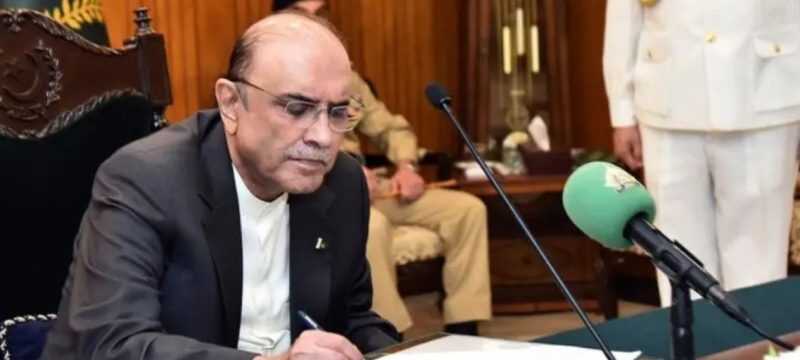
ISLAMABAD: President Asif Ali Zardari and Prime Minister Shehbaz Sharif said on Monday that Pakistan is ready to work with all willing states in South Asia to boost trade, energy cooperation, and economic connectivity. Their statements came as the country marked the 40th anniversary of Saarc Charter Day.
Both leaders stressed that Pakistan supports a cooperative and forward-looking regional order that benefits all members of the South Asian Association for Regional Cooperation (Saarc). They said that stronger Regional Partnerships are vital for unlocking the region’s vast economic and social potential.
President Zardari said Pakistan stands prepared to develop broader trade, transit, and energy linkages with neighbouring countries. He noted that Pakistan’s geography places it at a strategic juncture between South Asia, Central Asia, and the Middle East, offering opportunities to build meaningful Regional Partnerships that support shared growth.
He urged all South Asian nations to approach the future with honesty and sincerity. The region’s challenges, he said, are shared, and therefore solutions must also be collective. With mutual respect and practical cooperation, he added, the region can build a more peaceful and prosperous future.
Prime Minister Shehbaz Sharif echoed these views in his message. He said Pakistan remains committed to the principles of the Saarc Charter, which emphasises sovereign equality, constructive dialogue, and mutual respect. He said the country believes that effective Regional Partnerships can help South Asia overcome long-standing barriers to progress.
The prime minister highlighted that economic, digital, and people-to-people connectivity is essential in today’s world. He said South Asian countries must work together to strengthen linkages that promote trade, investment, innovation, and cultural exchange.
In other news read more about: President Zardari Stresses On National Unity To Tackle Security Challenges
PM Shehbaz also pointed out that the region faces common challenges, including poverty, climate-related disasters, food insecurity, and public health concerns. These issues, he said, cross borders and require joint action based on trust and cooperation. Only by working together, he added, can South Asia build a resilient and inclusive future.