


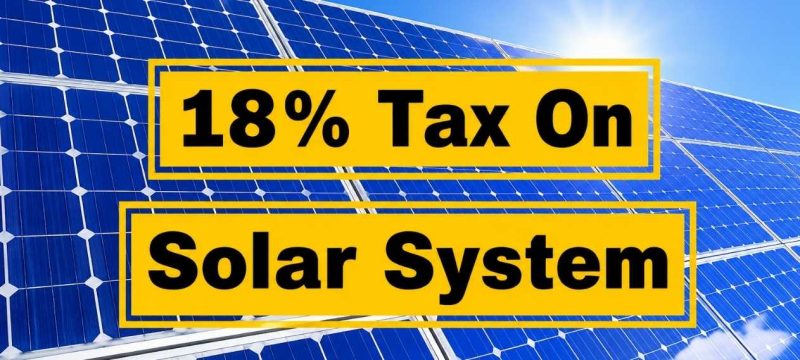
The cost of adopting Solar energy in Pakistan may increase significantly if the government approves a proposal to raise the sales tax on solar panels from 10 percent to 18 percent in the upcoming Budget 2026-27.
Over the past few years, thousands of households have turned to Solar power as a way to reduce electricity expenses. Rising utility bills have encouraged families and businesses to invest in rooftop systems to gain greater control over their energy costs.
However, the proposed tax increase could make Solar installations more expensive, particularly for middle-income households already facing economic pressure.
According to market estimates, the planned increase in sales tax could raise the price of an average solar panel by around Rs1,800 to Rs2,400 per unit. Industry experts believe the overall cost of installing a complete solar system would also increase if the proposal becomes part of the federal budget.
Several popular panel brands are expected to become more expensive under the new tax structure. For example, the price of a Risen 585W N-Type Bifacial panel could increase from Rs25,000 to around Rs27,000. Similarly, a Trina 720W N-Type Bifacial panel may rise from Rs32,000 to approximately Rs34,000.
Other major brands, including LONGi, Canadian Solar, Tongwei, Astronergy, Yingli, Aiko, and Hanersun, are also expected to see noticeable price increases if the higher tax rate is implemented.
The proposal is currently under discussion as part of budget planning and ongoing economic negotiations. Pakistan is engaged in talks with the International Monetary Fund (IMF) regarding fiscal reforms and revenue generation measures.
Officials are reportedly exploring ways to expand the tax base and reduce exemptions in various sectors. The proposed increase in sales tax on solar panels is one of several measures being considered during these discussions.
Energy experts have expressed concern that higher prices could slow the growth of renewable energy adoption in Pakistan. They argue that increasing the cost of solar equipment may discourage households and businesses from investing in clean energy solutions.
Supporters of renewable energy believe solar power has helped many consumers manage rising electricity costs while reducing dependence on the national grid. Any significant increase in installation costs could affect future demand for solar systems.
At present, no final decision has been announced. The proposal remains under review and will be considered as part of the Budget 2026-27 process.
In other news read more about: Punjab Government Reaffirms Commitment to Smoke-Free Educational Institutions
Consumers, businesses, and industry stakeholders are closely monitoring developments, as the final decision could have a major impact on the future affordability of solar energy in Pakistan.