

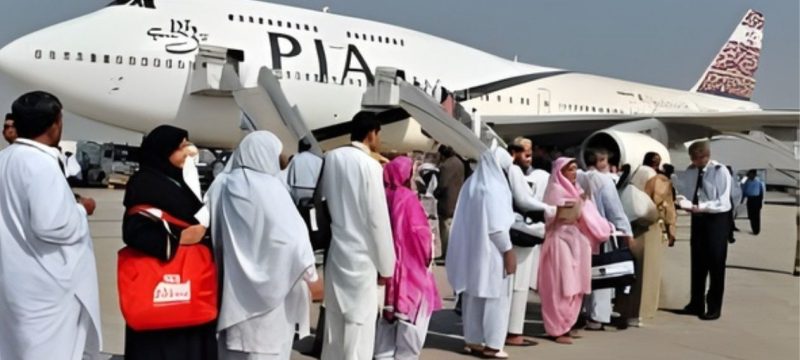
The National Assembly Standing Committee on Religious Affairs has recommended funding Hajj and Umrah travel for lawmakers from the national treasury. The proposal suggests sending a 10-member parliamentary delegation to perform Hajj and offer prayers at Rauza-e-Rasool during Rabiul Awal. The recommendation was discussed during a committee meeting in Islamabad on Monday.
Committee Chairperson Shagufta Jumani stated the delegation’s purpose is to pray for Pakistan’s prosperity and progress. She emphasized that the expense would not burden ordinary citizens and that spiritual blessings from the holy sites would benefit the nation. The committee also proposed increasing the delegation from seven to ten lawmakers and covering all travel costs through the National Assembly Secretariat.
Members of the committee further requested that each lawmaker receive a Hajj quota of 10 people. This move would expand parliamentary influence over Hajj allocations. Federal Minister for Religious Affairs Sardar Yousaf clarified that the Hajj quota for the current year is complete but confirmed that the proposals could be implemented starting with Hajj 2027.
The recommendation has sparked widespread public criticism. Many citizens questioned whether lawmakers, who are financially capable, should receive government-funded Hajj and Umrah trips amid ongoing economic hardships. Critics argue that using public funds for religious travel during a time of poverty shows misplaced priorities.
Supporters within the committee insist that such spiritual initiatives will positively impact Pakistan. They claim that prayers offered by lawmakers at the holy sites will contribute to national well-being and development. However, opponents call for religious travel to be financed privately, rather than using taxpayers’ money.
In other news read more about Hajj Pilgrims Receive Full Training from Jan 28 to Feb 14
The debate highlights tensions between public expectations and parliamentary privileges. While the committee believes Hajj travel for lawmakers is a “noble cause,” many citizens remain skeptical of government-funded religious trips during financial strain. The proposal is under consideration, with potential implementation no earlier than Hajj 2027.