


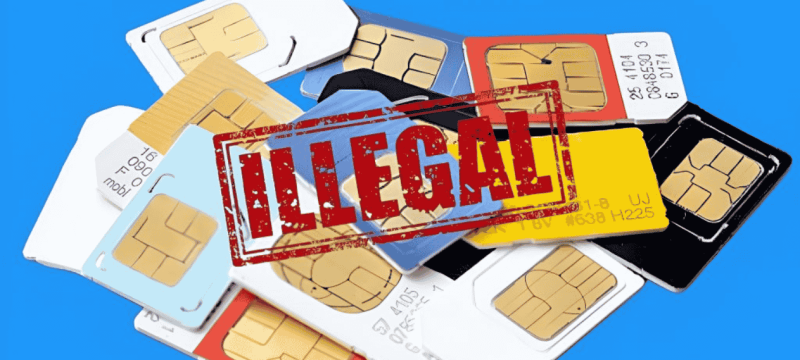
The Pakistan Telecommunication Authority (PTA) has issued a warning to citizens against using illegal foreign SIM cards. Authorities said such SIMs are unlawful and pose serious risks to users.
In a public advisory on Facebook, the PTA explained that calls and messages made through foreign SIMs could compromise personal and financial information. Users may also face legal consequences for possessing unregistered or unauthorized SIM cards.
The PTA urged citizens against buying SIMs from unofficial sources. Instead, all mobile users should purchase SIM cards from authorized franchises or registered outlets. It is also essential to ensure that the SIM is properly registered in the user’s own name to protect personal identity.
According to the advisory, illegal foreign SIMs can expose individuals to hacking, fraud, and misuse of their data. The authority highlighted that vigilance is required to prevent unauthorized access to sensitive information.
Earlier, the PTA also warned citizens against accessing illegal or inappropriate content online. While freedom of expression is a fundamental right, the authority emphasized that promoting unlawful content, hate speech, or material disrespecting religions and national institutions is strictly prohibited.
The PTA further stated that spreading obscene material, fake news, or propaganda against national bodies constitutes a criminal offence. Legal action will be taken against violators in accordance with the law.
Authorities urged the public to report any suspicious activities related to foreign SIM cards or illegal content. The PTA emphasized that these measures are in place to safeguard citizens’ privacy and maintain digital security across Pakistan.
By remaining cautious and purchasing only authorized SIMs, users can protect themselves from data breaches, legal complications, and financial risks. The PTA’s latest advisory reinforces the importance of responsible use of telecommunications services.
In other news read more about: PTA Warns of SIM Blockage for Users with Expired CNICs