


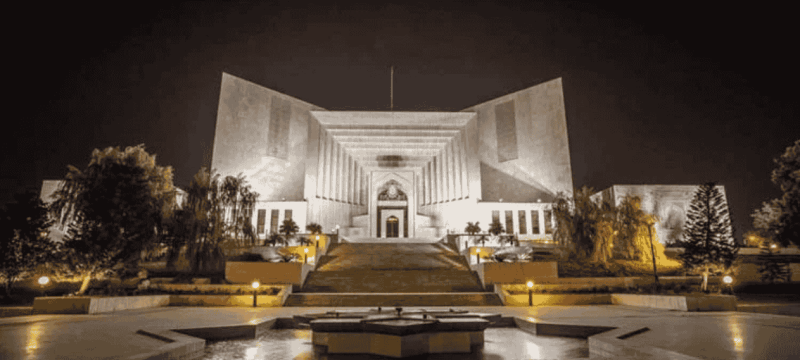
The Supreme Court of Pakistan has clarified that citizens should address a Station House Officer as “Bakhidmat Janab SHO”, removing outdated, subservient language from police complaints.
The apex court emphasized that an SHO is a public servant, not a master whom citizens must serve. Citizens will now use Bakhidmat Janab SHO in FIRs and other official correspondence. The ruling seeks to foster a professional and respectful relationship between the police and the public.
Justice Salahuddin Panwhar, authoring the judgment, explained that this change reflects a rights-based approach, ensuring that citizens assert their legal rights without fear of discrimination or intimidation.
The court also updated terminology for complainants. Individuals filing a First Information Report will now be called “informants” rather than “complainants,” except in private criminal cases. The term “complainant” will be used only in private matters, aligning police procedures with modern legal standards.
In addition, the Supreme Court prohibited using the word “fryadi” in police records. The term, implying someone pleading for mercy, was deemed inappropriate because it diminishes citizens’ legal rights and portrays them as beggars seeking justice.
The judgment further warned police officers against delaying FIR registration. Any unnecessary delay could compromise evidence, and officers may face legal action under Section 201 of the Pakistan Penal Code if they fail to act promptly.
Judicial Law Clerk Muhammad Subhan Malik highlighted the need for comprehensive reforms in police-citizen interactions. The court’s ruling reinforces accountability and encourages a more transparent, professional approach to law enforcement.
By instituting the use of Bakhidmat Janab SHO, the Supreme Court aims to modernize police procedures, protect citizen rights, and build public trust in law enforcement across Pakistan.
In other news read more about: Supreme Court Orders Caution in Matters of Faith