

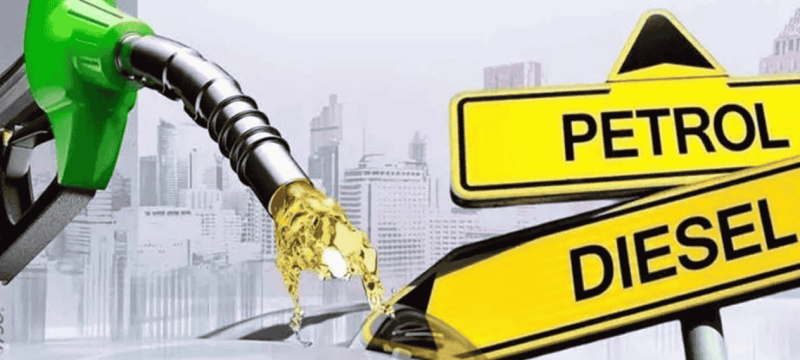
The federal government has announced a sharp increase in high-speed diesel prices starting February 1. Diesel will now cost Rs268.38 per litre, up from Rs257.08. Petrol prices remain unchanged at Rs253.17 per litre for the next two weeks.
The decision comes amid rising fuel costs and growing concerns over inflation. While petrol is mainly used in motorcycles, rickshaws, and small cars, diesel powers trucks, buses, trains, tractors, tube wells, and threshers. Experts warn that the diesel prices hike will affect transportation and agriculture, increasing costs across the supply chain.
The sudden rise in diesel prices is expected to have inflationary effects. Higher transport costs could push up prices of vegetables, fruits, and other essential items. Consumers are likely to feel the impact, especially in rural areas where diesel use is critical for farming operations.
Petrol, which affects middle- and lower-income households directly, remains at Rs253.17 per litre. Officials say the government aims to stabilize petrol prices while managing the overall economic burden.
The fuel revision comes at a time when households and businesses are already struggling with high energy costs. Analysts note that the diesel surge could increase transportation and production expenses, affecting daily life and food prices.
Industry observers say the government may continue monitoring fuel prices in the coming weeks. Any further adjustments will depend on global crude oil trends and local supply-demand conditions.
Consumers are advised to plan their budgets carefully in response to rising diesel costs. Authorities also urge transport and agricultural sectors to manage operations efficiently to minimize the impact of higher fuel prices.
The latest revision highlights the ongoing challenges in managing energy costs in Pakistan. Both urban commuters and rural farmers are expected to feel the direct and indirect effects of the diesel prices increase.
In other news read more about: Petrol and Diesel Prices Decreased by How Much?