


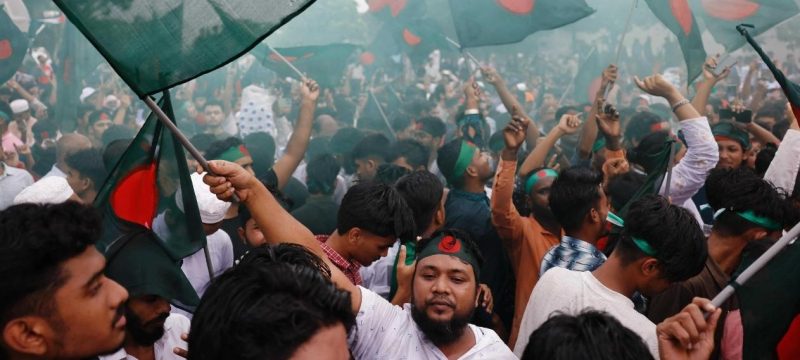
Bangladesh is heading to the polls on February 12 for what many are calling the country’s first genuinely competitive election in more than ten years. With former Prime Minister Sheikh Hasina’s Awami League banned from participating, young voters are expected to play a decisive role in shaping the nation’s political future.
For years, elections in Bangladesh were dominated by Hasina’s party, with opposition groups either sidelined or boycotting the vote. Following widespread protests in 2024 and the ousting of Hasina, the political landscape has shifted dramatically.
Analysts now expect the Bangladesh Nationalist Party (BNP), led by Tarique Rahman, to secure a parliamentary majority. Meanwhile, the Jamaat-e-Islami coalition, energized by a Gen Z-driven movement, is mounting a strong challenge. This election ends a 15-year period of near one-party dominance and marks the first truly competitive vote since 2009.
Young voters are considered the kingmakers in Bangladesh. Analysts estimate that roughly a quarter of the electorate is under 30 years old. Many first-time voters are focused on issues like corruption, job creation, and rising living costs rather than ideology. Mohammad Rakib, a 21-year-old voter, said, “Everyone was tired of Awami League. I hope the next government ensures freedom of expression and respects the voice of the people.”
Economic and geopolitical factors are also central to this election. Bangladesh faces high inflation, slowing investment, and growing reliance on international financing from institutions like the IMF and World Bank.
Observers note that the election outcome may shift regional alliances, with China’s influence growing after Hasina fled to India. A Jamaat-led government could tilt toward Pakistan, while a BNP government may maintain a balanced foreign policy.
Campaigns in Dhaka and other major cities are in full swing. Streets are decorated with posters, political rallies, and public debates. About 15 million expatriate Bangladeshis will vote by post for the first time, highlighting the election’s national and international significance.
Historically, Bangladesh has faced turbulent elections since independence in 1971, including periods of military rule, contested polls, and political crackdowns.
In other news read more about India withdraws Diplomats’ Families from Bangladesh Over Security Concerns
Key milestones include the first post-independence election in 1973, the BNP majority in 1979, restoration of parliamentary democracy in 1991, and Awami League’s supermajorities in 2014 and 2018. The February 12 vote marks a potential turning point for Bangladesh as it seeks to restore democratic competitiveness and political stability.