


The National Electric Power Regulatory Authority (NEPRA) has announced new Solar Net-Metering Rates, affecting both existing and new solar electricity consumers in Pakistan. The decision has sparked strong reactions from industry experts and political leaders.
Under the revised rules, existing solar consumers will continue selling surplus electricity to the national grid at Rs 25.32 per unit. However, new solar consumers will only receive Rs 8.13 per unit, marking a steep reduction of Rs 17.19 per unit.
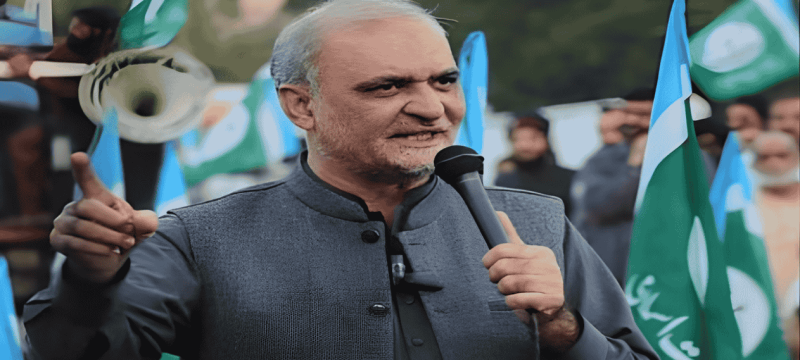
JI chief Hafiz Naeem criticized the changes, calling them “anti-people” and accusing the government of favoring the “IPP mafia.” He highlighted the disparity, pointing out that while new solar users will sell electricity at extremely low rates, they will still have to buy expensive electricity from the grid when their own production is insufficient.
Hafiz Naeem described the reduction in Solar Net-Metering Rates as “economic terrorism” and stated that government policies in the power sector have consistently failed to protect consumers. He also condemned the authorities for passing the burden of circular debt and high electricity costs onto the public.
The government reports that Pakistan now has over 466,000 solar net-metering consumers, with 82% located in major cities. Lahore leads with 24%, followed by Multan (11%), Rawalpindi (9%), Karachi (7%), and Faisalabad (6%).
According to the Power Planning and Monitoring Company (PPMC), the country generates approximately 7,000 MW of electricity through solar energy. Off-grid consumers contribute an additional 13,000 to 14,000 MW, showing the growing importance of solar power in Pakistan’s energy mix.
The new Solar Net-Metering Rates are intended to regulate the sector, but the sharp reduction for new consumers has raised concerns about discouraging future solar investments. Experts warn that low buyback rates could slow the adoption of solar energy, affecting both sustainability goals and consumer benefits.
The government and NEPRA have yet to respond to public criticism, leaving many new solar users questioning the viability of investing in solar energy under the revised rates.
In other news read more about: LESCO Updates Billing Policy For Net-Metering Consumers