


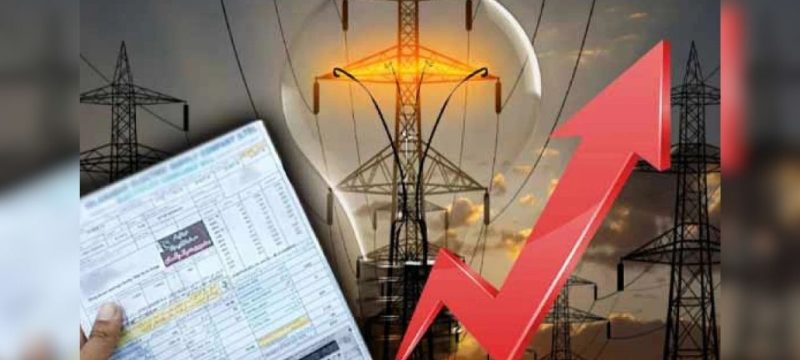
ISLAMABAD – Electricity bills in Pakistan may increase soon as the government moves ahead with a major tariff overhaul. The reform is part of an IMF-backed programme aimed at stabilising the country’s struggling power sector.
The proposed changes are currently under review by the IMF. Officials from the global lender are holding discussions with Pakistan to assess whether the new tariff structure aligns with the $7 billion Extended Fund Facility. The loan programme is designed to address long-standing economic weaknesses.
Under the proposed plan, electricity rates for industries may fall by 13 to 15 percent. This step is expected to save around 102 billion rupees in subsidies. However, experts warn that household consumers may face a sharp increase in bills.
Analysts estimate that middle- and lower-income families could see electricity bills rise by 50 to 76 percent. This increase may place additional pressure on already tight household budgets. The IMF is reviewing whether the tariff changes could trigger fresh inflation in the country.
Pakistan previously experienced inflation near 40 percent in 2023. The rate later cooled to 5.8 percent. However, economists caution that higher electricity costs may push prices up again.
The government says the reforms are necessary to fix structural issues in the energy sector. Circular debt and high subsidies have long burdened the system. Officials believe reducing subsidies for industries and adjusting household tariffs will improve financial stability.
At the same time, changes are being proposed to the solar energy policy. Payments for electricity exported to the national grid have been reduced. This decision may shift costs from about 466,000 solar users to nearly 37.6 million grid consumers.
Prime Minister Shehbaz Sharif has ordered an urgent review of the solar policy. He aims to prevent negative effects on consumers and maintain balance in the power sector.
Energy experts warn that rising fixed charges may push some consumers to disconnect from the grid. This could affect the long-term sustainability of the electricity system.
In other news read more about Adeeb Ahmed Appointed Acting CEO of K-Electric
As talks with the IMF continue, Pakistan faces a delicate balance between meeting loan conditions and protecting vulnerable households from higher electricity costs.