


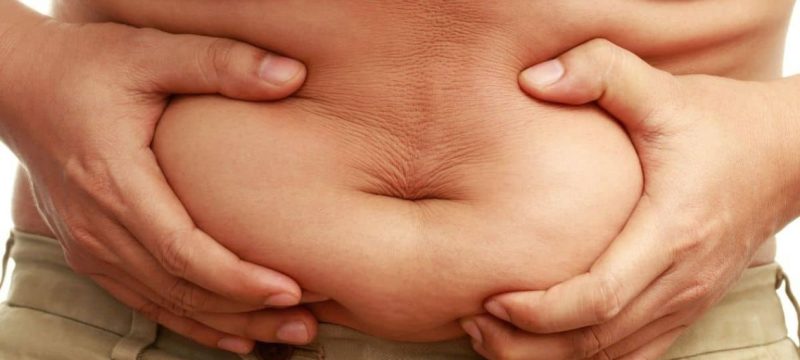
As Ramadan 2026 approaches, many people plan to lose extra weight during the holy month. Fasting changes daily routines, eating patterns, and workout schedules. For fitness-focused individuals, the main concern is clear: how to reduce body fat without losing muscle.
Experts say that Ramadan 2026 can support healthy fat loss if handled correctly. However, poor planning may lead to muscle breakdown instead of fat loss.
During fasting hours, the body goes without food and water for long periods. If calorie intake drops too much or protein is ignored, the body may use muscle for energy. This is why a smart approach is necessary.
Understanding Fat Loss vs. Muscle Loss
Fat loss happens when you create a small calorie deficit while eating enough protein. Regular strength training also helps protect muscle mass.
Muscle loss occurs when protein intake is too low or calories are cut too aggressively. Skipping workouts can also contribute to muscle breakdown.
Fasting in Ramadan naturally reduces calorie intake. The goal is to control the deficit, not make it extreme.
Smart Nutrition Strategy for Ramadan 2026
Protein should be a priority at both Suhoor and Iftar. Good sources include eggs, chicken breast, fish, Greek yogurt, lentils, chickpeas, and protein shakes if needed. Dividing protein between both meals supports muscle repair.
Avoid crash dieting. Severe calorie restriction can slow metabolism and increase fatigue. A moderate deficit is safer and more effective.
Choose complex carbohydrates at Suhoor. Options like oats, brown rice, whole wheat roti, and quinoa provide steady energy during fasting hours. At Iftar, limit fried and sugary foods. These can increase fat storage.
Healthy fats are also important. Include nuts, seeds, olive oil, and avocado in moderate amounts. These support hormone balance, which plays a role in muscle maintenance.
Hydration and Workout Timing
Hydration is essential in Ramadan 2026. Muscles contain a large amount of water. Drink water steadily between Iftar and Suhoor instead of all at once.
There are two ideal workout times. One option is training about 60 minutes before Iftar. This allows immediate refueling after exercise. Another option is training one to two hours after Iftar when the body is hydrated.
Strength training should be done three to four times per week. Focus on compound exercises like squats, deadlifts, bench press, rows, and pull-ups. Reduce intense cardio and keep it light.
Sleep and Common Mistakes
Sleep patterns often change during Ramadan. Lack of sleep increases cortisol, a stress hormone linked to muscle loss. Aim for six to eight hours of combined sleep.
Common mistakes include skipping Suhoor, overeating fried food, avoiding strength training, and drinking sugary beverages daily. These habits may reduce weight but can also reduce muscle.
In other news read more about Why You Should Keep Exercise Routine During Winter, Experts Warn
With proper nutrition, training, and rest, Ramadan 2026 can become a time for healthy fat loss and muscle preservation.