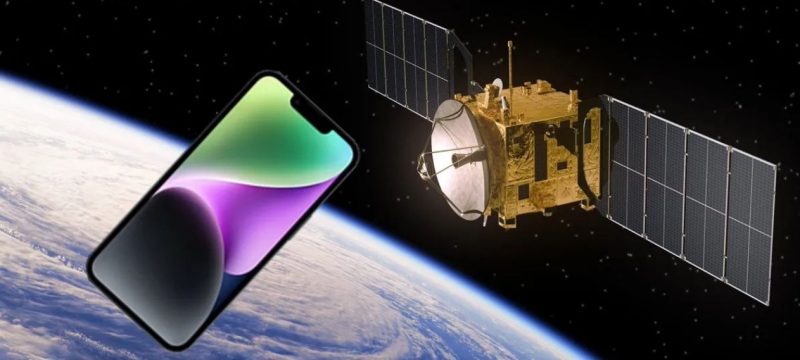
Apple is reportedly developing a smart case that could enhance satellite connectivity for iPhones. The case would feature a larger, advanced antenna system designed to improve signal strength and data transmission.
Since introducing Emergency SOS via Satellite with the iPhone 14 in 2022, Apple has steadily improved satellite communication features. However, the iPhone’s internal antenna has limitations due to its small surface area and physical obstacles, including buildings and trees.
The newly filed patent shows a removable case that acts as a phased array antenna. This technology uses multiple transmitters and receivers to form and steer signal beams electronically. The case could connect to multiple satellites, allowing the iPhone to switch seamlessly as satellites move across the sky.
Patent illustrations show a fold-out cover pointing skyward. The case would sync with the iPhone via radio frequency (RF) links or near-field communication (NFC). By expanding the effective antenna area, Apple’s solution aims to reduce interference from the user’s hand and improve overall transmission.
The smart case is expected to significantly boost the iPhone’s satellite data transfer during emergency calls. Users in remote areas could benefit from faster, more reliable connections when contacting emergency services.
However, this hardware upgrade comes with a limitation: it is sold separately and must be attached before use. Users would need to remember to carry and equip the case when traveling in areas with limited cellular coverage.
Apple continues to lead innovation in mobile satellite communication, combining hardware and software improvements to enhance user safety. If released, the smart case could represent the next major step in Apple’s Emergency SOS feature, expanding satellite capabilities beyond the device’s built-in limits.
In other news read more about Why Apple’s Next Podcasts Update Is a Game Changer
Experts say Apple’s patent demonstrates the company’s focus on advanced connectivity and preparedness for extreme conditions. While no release date has been confirmed, the patent signals Apple’s commitment to improving satellite communication for iPhone users worldwide.