


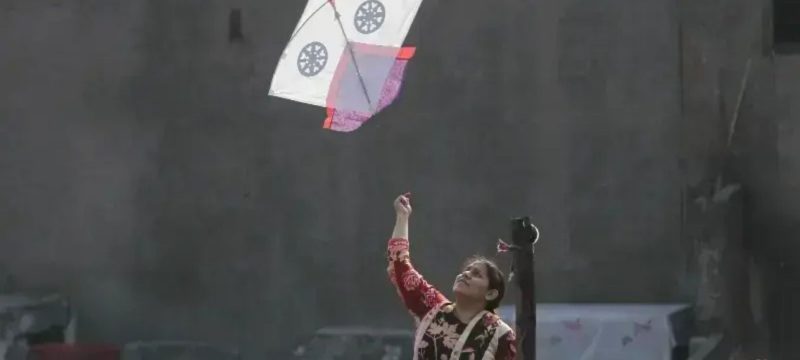
The revival of the traditional Basant festival in Lahore has ignited fresh controversy after multiple fatalities and injuries were reported during this year’s celebrations. The event returned after authorities temporarily suspended a 21-year ban, allowing limited festivities under new safety regulations.
The Government of Punjab permitted a three-day Basant festival in the first week of February 2026 through a special ordinance. Officials allowed kite flying under strict conditions, including a ban on metallic strings and mandatory installation of protective rods on motorcycles to prevent injuries.
Despite these measures, serious accidents occurred throughout the celebrations. According to the Punjab Home Department, at least 17 people lost their lives while more than 160 others were injured, though some media reports suggested the death toll may have reached 21. The incidents quickly raised concerns about whether safety arrangements were sufficient.
Authorities stated that most fatalities resulted from rooftop falls during kite flying activities. Reports indicated that 12 individuals died after falling from rooftops, while three others died due to electrocution. Several additional injuries occurred when people fell from trees and buildings while chasing drifting kites.
Families of victims criticized the government’s decision to allow the festival, claiming insufficient support following the tragedy. Some relatives alleged that celebrations mainly benefited elite communities, while ordinary citizens bore the risks associated with unsafe practices.
Public policy analyst Salman Abid argued that enforcement remained weak, noting that kite flying continued beyond officially permitted days. Authorities, however, maintained that safety rules were implemented and legal action was taken against individuals who violated restrictions.
Despite the fatalities, the festival generated notable economic activity. Government estimates suggested Basant contributed between Rs3 and Rs4 billion to the local economy, with kite and string sales alone reaching Rs2–2.5 billion. More than 5,000 vendors were reportedly allowed to operate during the event.
Officials said compensation for families of officially recorded victims is under consideration, while plans are being discussed to organize a safer version of the festival next year. The government aims to balance cultural traditions with improved safety enforcement.
Kite flying has remained controversial in Punjab since it was first banned in 2005 following more than 25 deaths linked to hazardous strings. Although briefly allowed again in 2006 and 2007, rising fatalities forced authorities to reimpose restrictions.
Historical records indicate that more than 2,000 people have died in kite-related incidents over the years, often caused by chemical-coated strings capable of causing severe injuries. Yet Basant continues to attract large crowds across cities including Lahore, Gujranwala, Faisalabad, Rawalpindi, and Multan, keeping the debate between cultural heritage and public safety ongoing.
Also read: Lahore Basant Tragedy: 17 Lives Lost, LHC Informed