

ISLAMABAD – Pakistanis are facing a major financial shock after the government announced a sharp increase in fuel rates. The latest Petrol price has risen dramatically following a surge in global oil costs.
According to the new pricing structure, petrol has increased from Rs321.17 per litre to Rs458.40. This marks a huge rise of about Rs137 per litre. At the same time, diesel prices have also surged. Diesel now costs Rs520.35 per litre, up from Rs335.86. The increase of Rs184.49 has placed additional pressure on transport and businesses.
Officials say the Petrol price hike was necessary due to the rising cost of oil in international markets. The announcement was made during a press conference by Petroleum Minister Ali Pervaiz Malik alongside Finance Minister Muhammad Aurangzeb.
During the briefing, Malik thanked Asif Ali Zardari, provincial chief ministers, and allied political leaders for their guidance during what he described as a critical period. He said Pakistan is facing serious economic challenges as global oil prices continue to rise.
Government officials explained that the country cannot absorb the full impact of higher oil prices. As a result, the increased Petrol price is being passed on to consumers. However, limited support may be provided to specific groups such as farmers and motorbike users.
The decision followed a high-level meeting chaired by Finance Minister Muhammad Aurangzeb. Provincial leaders and senior federal officials also attended the discussion. Sources say the government is still monitoring international oil markets before making further adjustments.
Last month, the government spent nearly Rs129 billion on fuel subsidies. The administration led by Shehbaz Sharif aims to keep total subsidy spending below Rs158 billion this year. Because of this target, officials are shifting more of the financial burden to consumers.
Provincial governments may also contribute to subsidy costs. Punjab and Sindh are expected to share the burden based on population size. Meanwhile, Khyber Pakhtunkhwa and Balochistan may contribute according to fuel consumption levels.
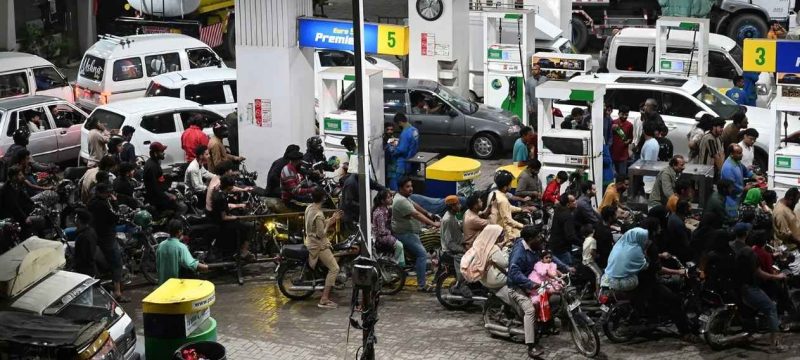
Energy analysts warn that the rising Petrol price could increase transport costs across the country. Higher fuel prices usually lead to more expensive goods and services.
The global fuel crisis has affected many countries. Oil prices have risen in more than 85 nations due to supply disruptions and tensions involving Iran. In Pakistan, petrol prices have already increased by nearly 20 percent recently. Meanwhile, neighboring India has managed to keep domestic fuel prices relatively stable.
In other news read more about Pakistan Stock Exchange Surges With 4,500-Point Jump
Experts believe the latest increase may trigger another wave of inflation. Many households are already struggling with rising living costs. Businesses and commuters are also expected to feel the impact of the new fuel rates in the coming weeks.