


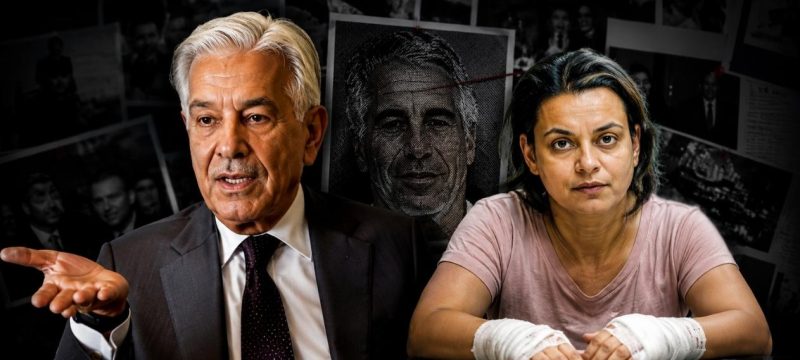
Defence Minister Khawaja Asif has sparked nationwide debate after comparing the high-profile Anmol “Pinky” drug case to the “Pakistani Epstein Files.”
In a post shared on X, Khawaja Asif referred to the case as the “Pakistani Epstein Files,” drawing comparisons with the controversial Jeffrey Epstein scandal in the United States. His remarks quickly gained attention on social media and triggered political discussions across Pakistan.
The term “Pakistani Epstein Files” is being used in connection with allegations that the suspected drug network had links with influential and elite circles in the country.
According to reports, Anmol “Pinky,” also known as Anmol Bakhsh in some media coverage, was arrested by law enforcement authorities during a raid in Karachi on May 12, 2026.
Officials claim she was a central figure in a large narcotics operation dealing in cocaine and synthetic drugs. Media reports described her as the alleged “Cocaine Queen” and linked her to what investigators called the “Dabba Cartel.”
Authorities allege the network supplied drugs to affluent areas of Karachi, including DHA and Clifton, as well as clients in Lahore and Islamabad.
Investigators claim the operation used modern communication methods, including WhatsApp and social media platforms, to receive orders and coordinate deliveries.
Officials also allege that fake SIM cards, coded messages, and benami bank accounts were used to hide financial transactions and avoid detection.
The controversy intensified after reports emerged claiming that around 30 politicians may have been linked to the alleged network as clients. However, no official list has been publicly released, and these claims remain under investigation.
Sources also claimed that a confidential report related to the so-called “Pakistani Epstein Files” had been submitted to the Sindh Chief Minister. The report reportedly contains information regarding the network’s structure, drug supply methods, and alleged connections.
During raids, authorities said they recovered cocaine, chemical materials, laboratory equipment, and a firearm from locations connected to the case.
Law enforcement agencies also claimed the network generated millions of rupees through narcotics sales every month.
The case gained even more attention after videos surfaced online showing Anmol Pinky appearing in court without handcuffs. The footage sparked criticism and led to internal inquiries regarding police procedures.
Meanwhile, Anmol Pinky has reportedly denied several allegations during court proceedings. She also claimed she was illegally detained and forced to give statements while in custody.
Despite the sensational claims surrounding the “Pakistani Epstein Files,” legal experts stressed that Anmol Pinky remains innocent until proven guilty in court.
Authorities in Sindh and Punjab have now launched additional investigations into possible corruption links, procedural lapses, and alleged protection networks connected to the case.
In other news read more about: Anmol “Pinky” Accuses Police of Torture During Court Hearing
The scandal has also triggered wider debate about drug use among elite circles, organized narcotics operations, and accountability within law enforcement institutions in Pakistan.