


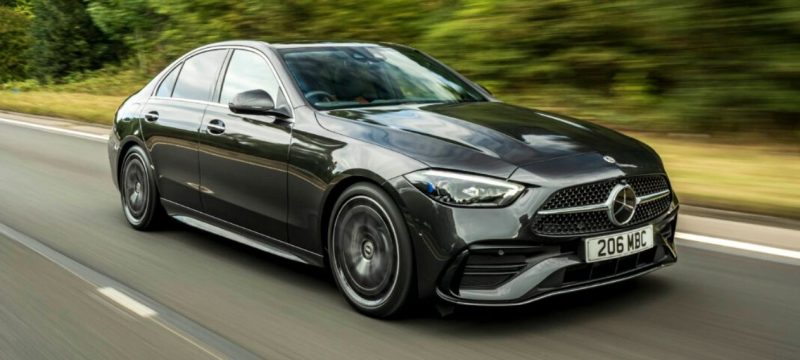
The federal government has introduced major tax increases on imported Luxury Car models under the Budget 2026–27, making premium vehicles significantly more expensive. The new tax measures include a Special Excise Duty (SED), which will be charged in addition to the existing Federal Excise Duty (FED).
Under the revised policy, the total excise burden on some imported vehicles will rise to as much as 132%. The government says the move is part of its broader strategy to increase revenue and discourage the import of high-engine-capacity vehicles.
The updated tax structure is expected to raise the prices of almost every imported Luxury Car sold in Pakistan. Dealerships are likely to revise vehicle prices once the new duties come into effect.
According to the new rules, the Special Excise Duty has been introduced through Table IA of the Federal Excise Act. Unlike previous tax measures, this duty will not replace the existing Federal Excise Duty. Instead, both taxes will apply together, increasing the total amount payable on imported vehicles.
The policy covers imported Completely Built-Up (CBU) passenger cars, sport utility vehicles (SUVs), station wagons, 4×4 double-cabin pickup trucks, and racing vehicles.
Imported vehicles equipped with engines ranging from 2,000cc to 3,000cc will now face an 86% Special Excise Duty. This will be added to the existing 30% Federal Excise Duty. As a result, the combined excise tax on these vehicles will increase to 116%.
The highest taxes will apply to imported vehicles with engines above 3,000cc. These premium models will be subject to a 92% Special Excise Duty along with the current 40% Federal Excise Duty. This raises the total excise burden to 132%, making these vehicles much more expensive than before.
Industry experts expect the new taxation policy to reduce demand for imported premium vehicles. Buyers planning to purchase a Luxury Car may now face substantially higher costs due to the revised import duties.
The government has defended the decision by saying it supports fiscal stability and helps generate additional revenue. Officials also believe the higher taxes may discourage imports of high-displacement vehicles and reduce pressure on foreign exchange reserves.
However, the revised tax regime is expected to reshape Pakistan’s premium automobile market. Many imported executive sedans and luxury SUVs are likely to become less affordable, while consumers may shift toward locally assembled or lower-engine-capacity alternatives.
In other news read more about CDA Plans Pakistan’s First World-Class Safari Park in Islamabad
With excise duties reaching historic levels, importing a Luxury Car into Pakistan will now require a significantly larger financial investment under the Budget 2026–27 measures.