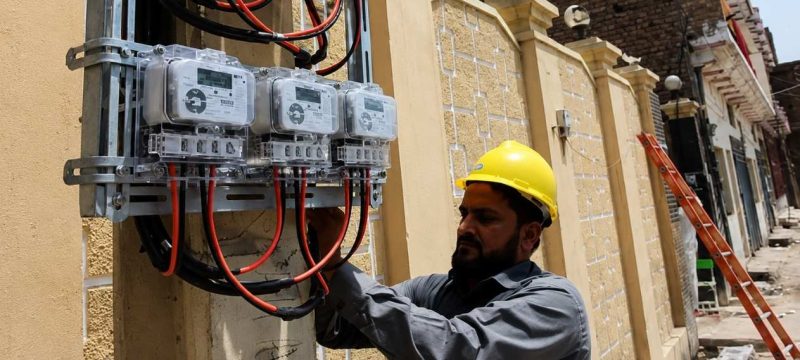
The Lahore Electric Supply Company (LESCO) has reportedly begun installing Advanced Metering Infrastructure (AMI) single-phase smart meters at Punjab government offices while ordinary electricity consumers continue to receive conventional static meters. The reported move has raised questions about the utility’s rollout strategy and prompted calls for greater transparency.
According to reports, LESCO has approved the replacement of existing electricity meters at various Punjab government departments with AMI smart meters. Formal instructions have reportedly been sent to the relevant offices, asking them to begin the transition to the new metering system.
The development has sparked debate among consumers, many of whom are asking why government institutions are receiving the latest technology before the general public. Critics argue that if AMI smart meters offer greater accuracy and efficiency, the same technology should also be made available to residential and commercial consumers.
LESCO serves around 6.7 million electricity consumers across its service areas. Despite the large customer base, many consumers are still being issued traditional static meters instead of the more advanced smart meters.
The AMI rollout is expected to cover government offices across LESCO’s Northern, Central, and Eastern Circles. It will also include public institutions located in Okara, Southern Circle, Sheikhupura, Nankana Sahib, and Kasur.
Smart meters are designed to improve electricity monitoring, billing accuracy, and data collection. They also reduce the need for manual meter readings and can help utilities detect technical issues more efficiently.
However, while government departments are moving toward advanced metering technology, ordinary consumers remain outside the current rollout. This difference has led to criticism from customers and industry observers who believe the deployment should be more balanced.
Many consumers have questioned the criteria being used to determine who receives smart meters first. They argue that electricity users who pay monthly bills should also benefit from the same technological improvements.
Some observers have suggested that prioritizing government offices could improve energy management within public institutions. At the same time, they believe the utility should clearly explain its long-term plan for expanding smart meter installation to the wider public.
The reported rollout has also renewed demands for transparency regarding LESCO’s smart metering strategy. Consumers want the company to publicly share its timeline, eligibility criteria, and future plans for installing AMI meters across residential and commercial areas.
Industry experts note that smart meters can help improve billing efficiency, reduce electricity losses, and support better energy management. Wider deployment of the technology could also benefit consumers by providing more accurate electricity usage information.
Despite these potential advantages, many customers remain uncertain about when they will receive smart meters. The lack of official clarification has fueled further discussion about whether the technology is currently being prioritized for government institutions over the general public.
In other news read more about: Pakistan Considers Four-Day Workweek as Gulf Crisis Disrupts Global Oil Supply
So far, LESCO has not issued a detailed explanation regarding the reported difference in the rollout between government offices and regular consumers. Until further clarification is provided, questions are likely to continue over how the utility plans to expand smart meter installation across its entire consumer base.