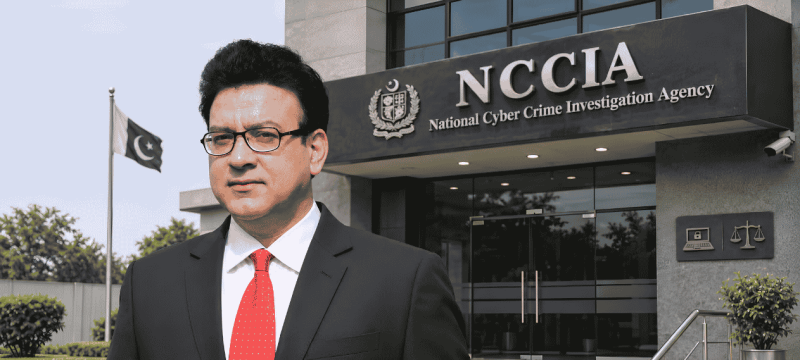
Pakistani journalist and television anchor Junaid Saleem has come under scrutiny by the National Cyber Crime Investigation Agency (NCCIA). The agency has launched an inquiry into allegations of spreading false and misleading information through social media.
The development has attracted attention and sparked fresh discussions about press freedom in Pakistan. It has also raised questions about the increasing use of cybercrime laws against journalists and political commentators.
According to an official notice issued on November 22, the NCCIA’s Cyber Crime Reporting Centre in Islamabad initiated an inquiry against the journalist. The investigation concerns allegations involving the publication and circulation of misleading information online.
NCCIA Summons Junaid Saleem for Questioning
The agency has directed Junaid Saleem to appear before its investigators on Tuesday. He has been asked to explain his position and record his statement regarding the allegations.
The notice refers to Section 160 of the Code of Criminal Procedure. This provision allows investigators to summon individuals for questioning during an inquiry or investigation.
It also warns that failure to follow the instructions could result in legal consequences. The agency has referred to the Prevention of Electronic Crimes Act (PECA) 2016 and relevant sections of the Pakistan Penal Code.
However, the notice does not identify any specific social media post or video. It also does not mention a particular TikTok clip, political statement or allegation that triggered the investigation.
Who Is Junaid Saleem?
Junaid Saleem is a well-known Pakistani television personality and journalist. He has spent several years working in news broadcasting, political analysis and current affairs programming.
He gained widespread recognition through the popular political satire show Hasb-e-Haal. The programme combines comedy with discussions about Pakistan’s political and social issues.
His work on the show helped establish his position among the country’s recognised television personalities.
Apart from television, Junaid Saleem also holds editorial responsibilities. He serves as the chief editor of Daily Insaf and is associated with Insaf Digital.
These roles have expanded his presence across traditional and digital media platforms.
Growing Scrutiny of Journalists Under Cybercrime Laws
The inquiry comes amid growing attention towards cybercrime investigations involving Pakistani journalists and television anchors.
Several media personalities and online commentators have reportedly received notices or faced inquiries from the NCCIA in recent months. These cases involve allegations related to misinformation, political statements and social media activities.
Meanwhile, media rights organisations and press freedom advocates have expressed concerns. They argue that repeated legal notices and lengthy investigations can create pressure on journalists.
Such proceedings may affect media professionals even when allegations do not result in prosecution or conviction.
The latest development involving Junaid Saleem has therefore brought renewed attention to the balance between online accountability and press freedom in Pakistan.
The outcome of the inquiry and the journalist’s response to the allegations remain important developments to watch.
In other news read more about: Maria B Faces NCCIA Inquiry Over Social Media Remarks Against Transgender Community