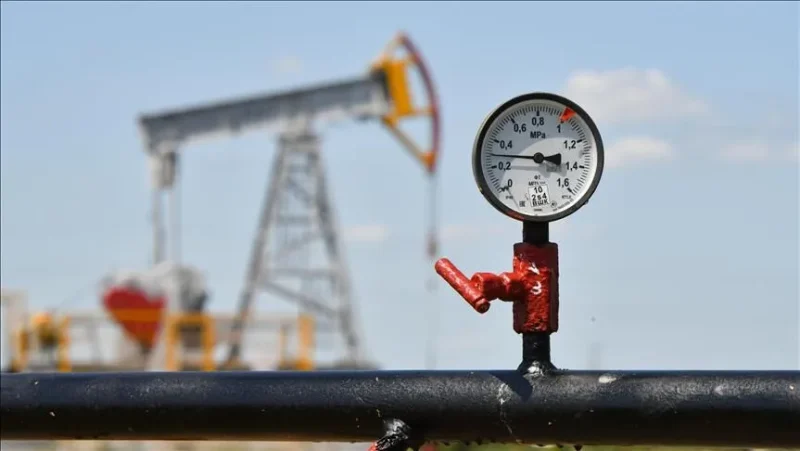
Global oil markets have once again reminded investors that geopolitics alone doesn’t dictate crude prices. Despite heightened tensions across the Middle East—a region responsible for nearly one-third of the world’s oil supply—crude prices have moved lower, leaving many traders wondering why the market isn’t reacting as expected.
Traditionally, conflict in the Middle East triggers fears of supply disruptions, pushing oil prices higher. However, today’s energy market is proving to be far more resilient, with traders placing greater emphasis on actual supply conditions, global demand trends, and economic indicators rather than geopolitical headlines.
Why Oil Prices Are Falling
At first glance, declining oil prices during regional instability may seem counterintuitive. But several key factors are outweighing geopolitical concerns.
Strong Global Oil Supply
One of the biggest reasons behind the recent decline is the abundance of oil in global markets.
Major producers continue to maintain healthy production levels, while non-OPEC countries such as the United States, Brazil, Canada, and Guyana have significantly expanded output over recent years. This additional supply has helped offset fears that Middle Eastern tensions could immediately tighten global markets.
As long as physical oil exports remain uninterrupted, traders are reluctant to build a large geopolitical risk premium into prices.
Demand Growth Is Slowing
Another important factor is weakening global demand expectations.
Economic growth has moderated across several major economies, particularly in manufacturing-heavy regions. Slower industrial activity generally translates into reduced fuel consumption, limiting upward pressure on crude prices.
China, the world’s largest oil importer, has also shown uneven economic recovery, leading analysts to lower forecasts for future oil demand growth.
When traders anticipate weaker consumption, supply concerns often take a back seat.
Markets Want Evidence, Not Headlines
Financial markets have become increasingly disciplined when reacting to geopolitical developments.
Rather than responding to every headline, traders now wait for concrete signs of supply disruption such as:
- Damage to oil production facilities
- Closure of critical shipping routes
- Export restrictions
- Production cuts beyond existing commitments
Until any of these occur, markets tend to view regional tensions as potential risks rather than immediate threats.
Strategic Shipping Routes Remain Open
The Middle East remains home to several critical energy transportation corridors, particularly the Strait of Hormuz.
So far, however, oil shipments have continued without major interruptions.
As long as tankers continue moving normally and export infrastructure remains operational, fears of a global supply shock remain limited.
This has prevented panic buying in crude markets.
Strong U.S. Dollar Adds Pressure
Oil is priced globally in U.S. dollars.
When the dollar strengthens, crude becomes more expensive for buyers using other currencies, often reducing international demand.
A firmer dollar has therefore added additional downward pressure on oil prices, even amid geopolitical uncertainty.
Investor Sentiment Has Shifted
Commodity markets today are driven by far more than political events.
Institutional investors closely monitor:
- Inventory data
- Central bank policies
- Inflation trends
- Interest rate expectations
- Global economic growth
- Freight and shipping activity
These macroeconomic indicators currently suggest a balanced market rather than one facing an immediate supply crisis.
As a result, investors remain cautious instead of aggressively buying oil futures.
Could Prices Rise Again?
While prices have softened, the situation remains fluid.
Any event that directly disrupts production or transportation could quickly reverse market sentiment.
Potential catalysts include:
- Significant damage to oil infrastructure
- Escalation affecting major exporting countries
- Blockages of key shipping lanes
- Unexpected production cuts from major oil producers
Such developments could rapidly increase the geopolitical risk premium built into crude prices.
Outlook
The recent decline in oil prices highlights an important shift in how global energy markets operate. Geopolitical tensions continue to influence investor sentiment, but markets now require tangible evidence of supply disruptions before pricing in significant risk.
For now, healthy global supply, slowing demand growth, stable exports, and broader economic concerns are outweighing fears stemming from the Middle East.
Investors will continue watching both geopolitical developments and economic data closely, knowing that the balance between supply, demand, and risk can change rapidly in today’s interconnected energy market.