

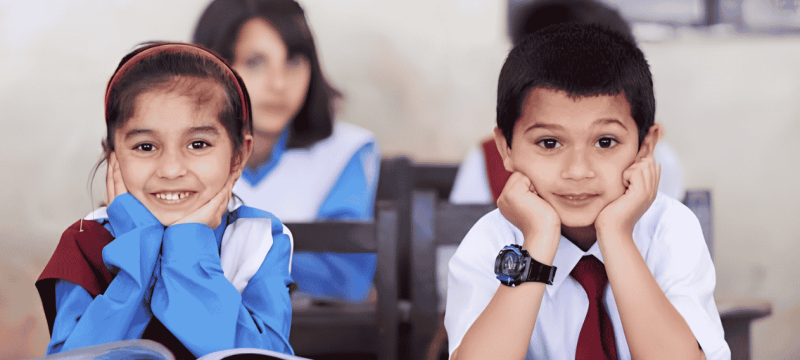
Punjab is preparing a new curriculum for students from Grades 1 to 5. The initiative aims to improve academic skills, creativity, and practical understanding among young learners.
District Education Officer (Primary Women) Dr Hajra Shaheen shared the details on Tuesday. She said the new curriculum would reduce reliance on traditional rote learning.
The new approach will focus on understanding, observation, questioning, analysis, and problem-solving. Students will be encouraged to understand concepts instead of simply memorising textbook content.
Dr Shaheen said lessons would include more classroom activities. These activities are expected to make learning more interesting and effective for children.
The curriculum will also consider students’ age, mental capacity, and learning requirements. This approach is designed to make educational content easier for children to understand.
Under the proposed system, students will receive more opportunities for practical learning. They will observe activities, participate in classroom exercises, and develop conclusions independently.
Teachers will also have a more active role in the new education system. They will ask students questions and encourage them to share their opinions.
Educators will also guide students through observation and practical exercises. This method is expected to improve children’s confidence and critical thinking skills.
Teacher training will form another important part of the education reforms. Teachers will receive training in modern teaching methods and activity-based learning.
Dr Shaheen said the new system would also help reduce unnecessary academic pressure. Learning materials will be simplified and adjusted according to students’ ages.
Progress has already been made toward making the primary curriculum shorter and simpler. Officials are also working to align educational content with modern requirements.
Textbooks based on the new curriculum are expected to be prepared and published for the 2027-28 academic session. The revised books will reflect the new focus on concepts and practical learning.
Dr Shaheen emphasized the importance of strengthening children’s educational foundations during their primary years. She said early learning habits can influence students’ future academic performance.
The Punjab government is also working on other initiatives to modernise education. One planned measure involves introducing artificial intelligence education at the primary level.
AI education is expected to be introduced from the 2027-28 academic session. The initiative reflects growing efforts to prepare young students for changing educational and technological needs.
The reforms aim to provide government school students with more meaningful learning opportunities. Officials believe practical education can help children develop skills beyond textbook knowledge.
The new curriculum is therefore expected to bring a significant shift in primary education across Punjab. Its focus will remain on understanding, creativity, practical experience, and independent thinking.
Dr Shaheen expressed hope that the revised system would improve education quality in government schools. She also said modern teaching methods could make learning more purposeful and effective for young students.
In other news read more about: Education Ministry introduces new curriculum for Matric and Inter after 17 years