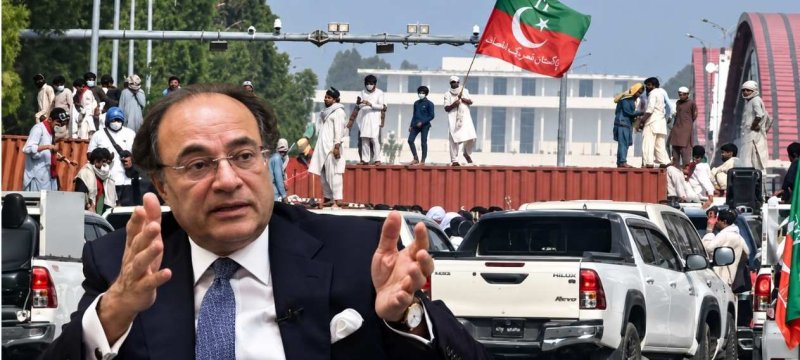
Pakistan could face daily economic losses of around Rs. 120 billion due to Protests, strikes and sit-ins.
Finance Minister Muhammad Aurangzeb highlighted the estimated impact during a televised message.
He said such disruptions could affect economic activity while Pakistan seeks to move toward sustainable growth.
The minister also highlighted recent improvements in several economic indicators.
He pointed to higher foreign exchange reserves, stronger remittance inflows and improvements in the country’s external position.
According to official figures cited in the remarks, State Bank reserves reached $21.4 billion.
Pakistan’s total liquid foreign exchange reserves stood at around $26.8 billion in the week ending September 11.
Pakistan Seeks Shift From Stability to Growth
Aurangzeb said Pakistan is moving from economic stabilisation toward a growth-focused phase.
The government wants investment, productivity and exports to play a greater role in future economic expansion.
It is also seeking stronger participation from the private sector. Aurangzeb shared similar views during a J.P. Morgan conference in London.
He said lasting economic stability should provide the foundation for a different growth model.
However, domestic disruptions could create additional challenges during this transition.
Protests Could Hit Services and Industry
The finance minister warned that Protests, strikes and sit-ins could disrupt businesses and other economic activities.
According to estimates cited by Aurangzeb, the services sector could lose around Rs. 86 billion daily.
The industrial sector could face estimated losses of about Rs. 25 billion per day.
The government could also lose approximately Rs. 17 billion in daily revenue. Aurangzeb put the overall estimated daily economic impact at around Rs. 120 billion.
He described disruption from such activities as potentially “self-inflicted” economic damage.
External Pressures Add to Economic Challenges
Pakistan is also facing pressures from developments outside the country. Aurangzeb highlighted higher oil prices and disruptions to global supply chains.
He linked these challenges to conflict in the Middle East and wider uncertainty in international trade. Supply-chain problems can increase transportation costs and create delays for businesses.
Higher freight and insurance expenses can also place additional pressure on trade.
Pakistan’s Current Account Position
Official data showed Pakistan recorded a $98 million current-account deficit in August. The deficit was significantly lower than the $342 million recorded in August 2025.
The finance minister said improved economic indicators provide a foundation for future growth.
However, he warned that domestic disruptions could affect this progress.
Aurangzeb also referred to terrorism during his remarks and alleged hostile forces were involved. He did not provide further details supporting that claim in the remarks cited.
The government is seeking to maintain economic stability while encouraging investment and exports.
In other news read more about: Govt Again Contacts JI Over Petroleum Levy Protest
Against this backdrop, the minister said prolonged Protests and strikes could create significant economic costs