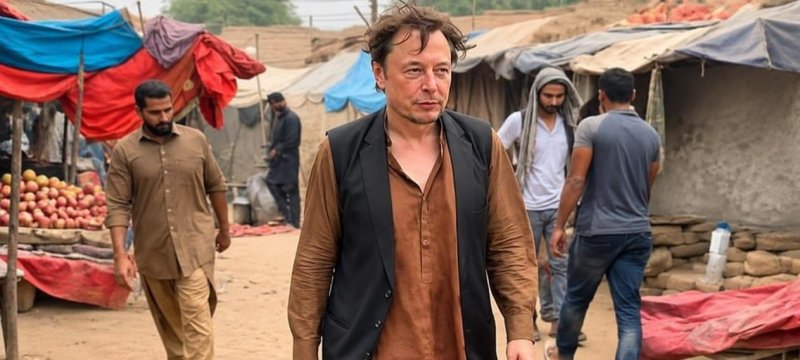
Around 87.1% of Pakistan’s population earns less than Rs2,300 per day, highlighting the significant income disparities and financial pressures affecting households across the country.
The figures indicate that approximately 218.8 million people fall below this daily income threshold, according to data cited in a recent report on Pakistan’s income distribution and poverty.
The findings also reveal how much individuals need to earn to enter the country’s highest-income groups.
According to the World Inequality Database (WID), a monthly income of approximately Rs121,000 places an individual among Pakistan’s top 10% of earners.
Meanwhile, those earning around Rs189,000 per month fall within the highest-income 5%.
The figures offer an insight into the gap between lower-income groups and people earning significantly more than the majority of the population.
The report also highlights different daily income thresholds across the country.
Approximately 120 million Pakistanis, representing 47.9% of the population, earn less than Rs1,176 per day.
Another 57.6 million people, or around 23% of the population, fall below the Rs831 daily threshold.
At the higher threshold of Rs2,300 per day, the number rises to approximately 218.8 million people.
These figures underline the financial challenges faced by a large proportion of the population.
The report also highlights differences in poverty levels between rural and urban communities.
According to the figures cited in the report, rural poverty stands at 56.4%, compared with 34.4% in urban areas.
The gap reflects the economic difficulties faced by many rural communities, where access to employment and income-generating opportunities can be limited.
However, these figures should be distinguished from Pakistan’s national poverty estimates based on the Cost of Basic Needs approach.
The Pakistan Economic Survey 2025-26 reported that the national poverty rate increased from 21.9% in 2018-19 to 28.9% in 2024-25.
Under the same official estimates, rural poverty rose to 36.2%, while urban poverty reached 17.4%.
The different figures reflect different poverty measures and should not be treated as directly interchangeable.
Rising living costs have also placed pressure on household budgets.
Higher prices of food, electricity, gas and other essential items can reduce the purchasing power of families, particularly those with limited earnings.
Households with several dependents may face additional difficulties managing expenses related to education, healthcare, transportation and daily necessities.
The income distribution figures highlight the importance of examining earnings alongside poverty levels and living costs.
They also provide context for discussions about employment opportunities, wage growth and economic inequality in Pakistan.
In other news read more about: Petition Filed in Pakistan Court To Raise Girls’ Marriage Age
The findings underline the financial challenges facing millions of people, while highlighting the considerable difference between the country’s lower-income population and its highest earners.