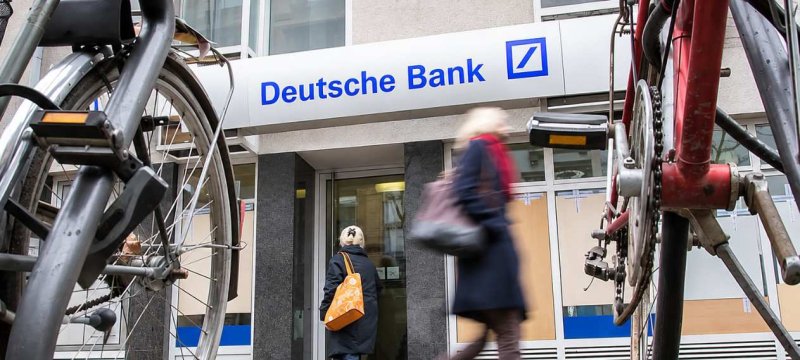
A leak of more than 15 million internal Deutsche Bank documents has raised serious concerns about suspicious transactions, wealthy clients and possible compliance failures at the German bank. The files include executive emails, internal risk assessments and suspicious activity reports. More than 200 journalists from media organisations in over 50 countries examined them in an investigation titled Inside Deutsche Bank.
The documents came from two whistleblowers whose identities remain protected. According to their lawyer, they also shared information with US and British financial authorities. The whistleblowers said they wanted to expose the bank’s relationships with Russian oligarchs and suspicious financial networks, and believe the public deserves greater transparency.
The leaked records cover some of the bank’s most sensitive operations, including anti-money laundering controls, sanctions monitoring, internal audits and customer risk assessments. They also contain sensitive financial information about billionaires, politicians, business leaders and influential families. The documents suggest that commercial interests sometimes received priority over internal compliance concerns.
One major finding involves Jeffrey Epstein. Deutsche Bank accepted him as a client in 2013, years after his criminal conviction. The records reportedly identify nearly $600 million in suspicious transactions involving Epstein and his network. The bank has acknowledged that accepting him as a client was a mistake.
The documents also mention former US President Donald Trump and Russian businessmen Oleg Deripaska and Roman Abramovich. However, appearing in the leaked documents does not establish wrongdoing. Several named individuals did not respond to requests for comment, and Abramovich’s representatives rejected suggestions of misconduct.
Another case involves Malaysian financier Jho Low, a central figure in the 1MDB scandal, in which more than $4.5 billion was allegedly stolen from Malaysia’s state investment fund. The records suggest the bank continued processing transactions linked to him in 2015, despite negative media reports and internal suspicious activity reports.
The investigation also identified concerns involving companies connected to South Africa’s Gupta brothers, with about $675 million reportedly moving through related financial networks. In another case, a suspected money laundering network allegedly moved hundreds of millions of euros through companies in Cyprus, Britain, Hong Kong and Ukraine. Employees reportedly found that monitoring systems had failed to detect the wider pattern, and one internal manager acknowledged this.
The files further examine transactions involving suspected North Korean front companies, with some payment information reportedly referring directly to North Korea. They also raise concerns about hiring practices involving relatives of foreign government officials. In 2019, the bank paid $16.1 million to settle a US Securities and Exchange Commission investigation into its hiring programme.
Deutsche Bank has rejected several allegations and disputed parts of the investigation, saying some findings contained inaccuracies and involved historical matters. It confirmed cooperation with regulators and law enforcement. The bank said it has changed significantly under Chief Executive Christian Sewing and invested €7 billion in compliance and control systems between 2019 and 2025.
In other news read more about: Binance to Shut Down Crypto Accounts in These Countries by December 31 — Is Yours on the List?
The revelations could bring further regulatory attention and legal challenges, and may affect customer confidence in the bank. The investigation suggests that warning signs were sometimes identified but not acted upon quickly. The central question remains whether stronger compliance systems can prevent similar problems in the future.