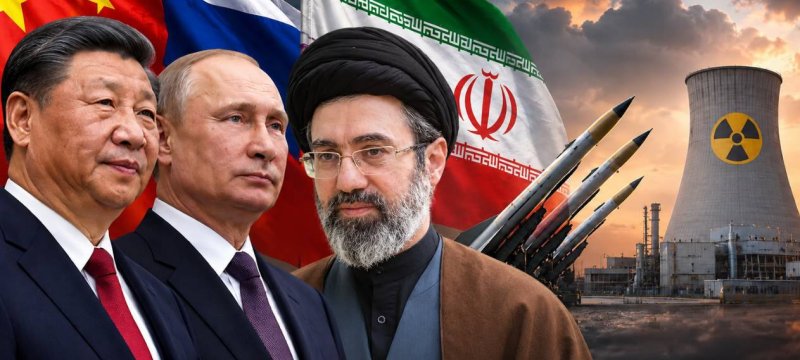
China and Russia have reportedly urged Iran to avoid developing nuclear weapons as tensions with the United States continue to raise concerns about regional security.
The development was disclosed by Iranian lawmaker Ahmad Bakhshayesh Ardestani, a member of the Iranian Parliament’s National Security and Foreign Policy Committee.
Speaking about the country’s nuclear policy, Ardestani said Beijing and Moscow had advised Tehran to exercise caution before considering any move towards nuclear weapons development.
His remarks come as Iran faces growing pressure from Washington and an increasingly active debate over its nuclear strategy.
Some Iranian political figures have argued that developing nuclear weapons could strengthen the country’s defence capabilities and discourage potential military attacks.
However, the reported advice from China and Russia highlights the diplomatic challenges facing Tehran as it considers its future security policies.
Ardestani said that growing American pressure has contributed to discussions about whether Iran should reconsider its existing nuclear doctrine.
According to the lawmaker, some sections of Iranian society are becoming more supportive of developing nuclear weapons.
Supporters of this position believe a nuclear deterrent could make foreign military intervention more difficult.
They argue that countries possessing nuclear weapons may face fewer threats of direct military attacks because of the potential consequences.
Ardestani suggested that continued pressure from Washington has strengthened these arguments within Iran.
However, his assessment does not establish that the entire Iranian population supports developing an atomic arsenal.
The Iranian nuclear debate has also expanded to include discussions about changing the country’s defence doctrine.
Several lawmakers and political figures have raised questions about Iran’s existing restrictions on nuclear weapons development.
Some have also called for reconsidering the country’s membership in the Nuclear Non-Proliferation Treaty (NPT).
The international agreement aims to prevent the spread of nuclear weapons while supporting the peaceful use of nuclear technology.
Leaving the treaty would represent a major change in Iran’s international nuclear commitments.
However, discussions among lawmakers do not mean that Tehran has officially decided to withdraw from the agreement.
Iran’s Foreign Ministry has previously maintained that the country remains committed to the NPT. The issue has nevertheless become increasingly controversial among political groups.
The nuclear debate has gained further attention following military confrontations involving Iran, the United States, and Israel.
Some Iranian officials believe the country’s existing defence arrangements may need reconsideration in response to growing security threats.
Meanwhile, critics warn that developing nuclear weapons could increase international tensions and create additional diplomatic and economic challenges.
China and Russia maintain important political, economic, and strategic relationships with Tehran.
Their reported position could influence discussions about Iran’s future nuclear policy.
However, the latest comments reflect Ardestani’s account of their advice. No direct official statements from Beijing or Moscow confirming these specific discussions have been provided.
For now, Iran faces growing pressure to balance its national security concerns with international diplomatic commitments.
The latest remarks have added another dimension to the debate over Iran nuclear weapons and the country’s future defence strategy.
In other news read more about: World’s Three Most Powerful Countries Set For Historic Meeting In China
Nevertheless, there is no confirmed announcement that Tehran has decided to develop an atomic arsenal or abandon its existing nuclear commitments.