Corporal Punishment in Pakistan: What the Data Says
We’ve all received beatings from our parents as children. Both children and parents would agree that being beaten has been a part of their lives. The data on attitudes, however, is surprising. In a 2025 Gallup & Gilani survey of 1,060 Pakistanis, 82 percent said it is unacceptable to beat children for discipline or teaching, while 17 percent said it is acceptable.
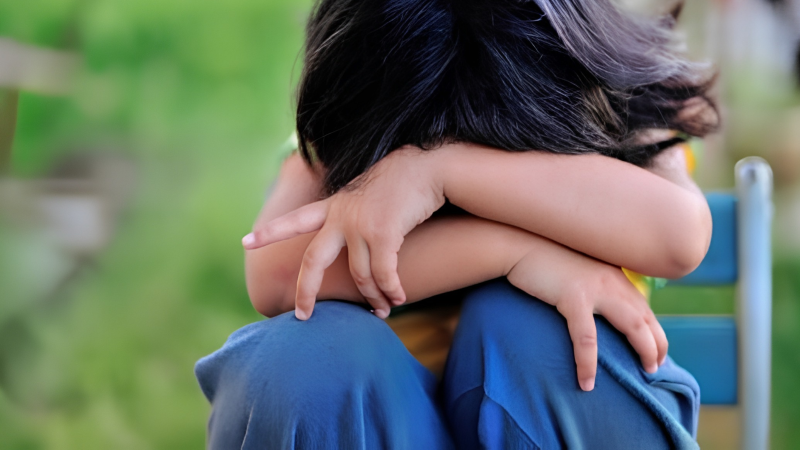
I find the data questionable, simply because the poll doesn’t tell us how many of those people are parents and how many are children. Gen Z would certainly be against it. And the practice is far more common than the attitudes suggest: surveys by UNICEF and others find that 74 to 85 percent of Pakistani children experience physical violence or violent discipline. It would make sense that an abused (let’s call a spade a spade) child would grow up to disapprove of beating a child.
But there are clearly a lot of people who say, “I was beaten as a child, I turned out fine.” Let’s see if that holds merit.
What Is Corporal Punishment?
Corporal punishment is the intentional infliction of physical pain or discomfort on a person’s body as a penalty for a crime, rule violation, or perceived misbehavior. According to the World Health Organization, physical punishment harms children’s physical and mental health, increases behavioral problems over time, and carries an inherent risk of escalating into severe abuse.
What Hitting Does to Children
- Increased aggression: Children who experience corporal punishment are more likely to show higher levels of aggression, bullying, and antisocial behavior.
- Limited long-term compliance: While physical punishment may stop an unwanted behavior briefly out of fear, it does not reliably build internal self-control or moral understanding when an adult is not present.
- Strained relationships: It can weaken trust and damage relationships between children and caregivers or teachers.
- Risk of escalation: Mild or moderate physical punishment can escalate into severe physical maltreatment and is associated with higher rates of interpersonal violence later in life.
So What About Adults?
While many adults who were hit as children lead healthy, successful lives, especially when they had other strong sources of love and support, large-scale studies show they face higher statistical risks for mental health challenges, relationship difficulties, and chronic physical conditions.
Emotional and Mental Health Patterns
- Higher rates of anxiety and depression. Adults exposed to physical punishment in childhood show increased rates of mood disorders, chronic worry, and persistent feelings of hopelessness or low self-worth.
- Heightened stress and hypervigilance. Growing up in an unpredictable or threatening environment can keep the nervous system on high alert, making adults more reactive to everyday stress or perceived criticism.
- Coping through substance use. Studies linking childhood spanking to adult outcomes, such as research published in Child Abuse & Neglect via PubMed Central, found higher odds of heavy alcohol use, drug dependency, and self-harm later in life.
Relationships and Behavior
- Difficulty with trust and intimacy. Adults who experienced physical discipline from caregivers often struggle with vulnerability, fear of rejection, or emotional guardedness in romantic partnerships and friendships.
- Conflict and aggression. Because physical punishment models force as a way to resolve conflict, some adults struggle with anger regulation or face a higher risk of perpetrating domestic or antisocial aggression.
- Parenting cycles. Adults who were hit are statistically more likely to view physical punishment as acceptable and repeat it with their own children, though many consciously work to break that cycle.
Physical Health and Life Outcomes
- Chronic health risks. Prolonged childhood stress can disrupt immune and cardiovascular systems, increasing adult risks for heart disease, high blood pressure, migraines, and autoimmune issues.
- Educational and career impacts. Early disruptions to focus, emotional regulation, and cognitive development are associated with lower average educational attainment and job stability in adulthood.
What Pakistani Law Says
The law protects children unevenly. Corporal punishment is banned in schools in Islamabad, Sindh and Gilgit-Baltistan, but the Pakistan Penal Code still condones it at home for children under 12 if it is done “in good faith”. Violent discipline remains legal in the one place where most of it happens.
Final Thoughts
So, did you really turn out fine? Perhaps you did. Many people who were hit did, usually because someone else in their lives loved them well. But “I turned out fine” says only that you survived it, not that it worked. The evidence doesn’t show that hitting makes children better behaved, only that it makes them more afraid, and it carries real risks for their minds, their relationships and their bodies. If we want a generation that thinks and chooses well, we can’t teach it to behave out of fear. The real question isn’t whether we turned out fine. It’s whether we would knowingly put our own children through it, when there are ways to teach them without fear.
References
Gallup & Gilani Pakistan: Parenting and child discipline survey, September 2025
Global Initiative to End All Corporal Punishment of Children: Pakistan country report
UNICEF Pakistan: Baseline study on child protection knowledge, attitudes and practices