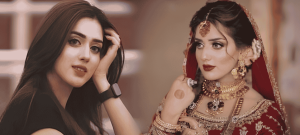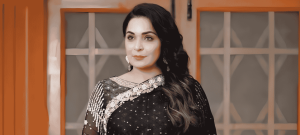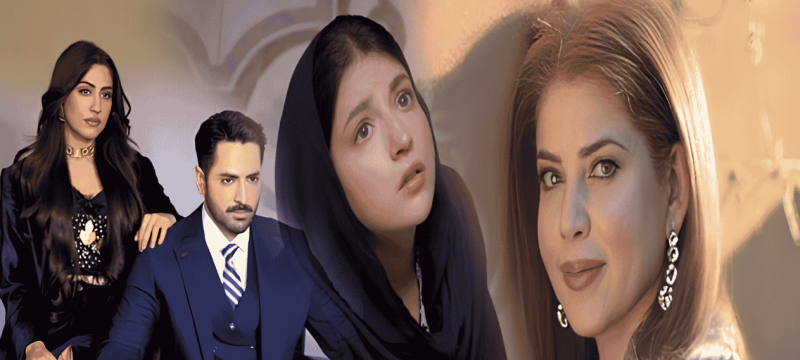
Pakistani actress and television host Mishi Khan has criticised the portrayal of female characters in Pakistani dramas. She questioned why women wearing hijab or abayas are often shown as weak and helpless. She also highlighted how women wearing Western clothes are frequently presented in a negative light.
In a recent Instagram video, Mishi Khan urged drama writers to rethink these repeated stereotypes. She called for stronger and more meaningful roles for women who cover their heads or wear abayas.
Sharing her concerns on social media, she questioned why such characters are rarely shown as confident and independent women. She believes television dramas should move beyond traditional assumptions about women’s clothing and personalities.
Mishi Khan Highlights Double Standards in Drama Characters
Mishi Khan pointed out that hijab-wearing female characters are often portrayed as fearful, oppressed, and dependent on others. According to her criticism, these women frequently lack the confidence to make their own decisions.
In contrast, female characters wearing Western outfits are sometimes associated with rebellious behaviour, partying, and clubbing. This creates a sharp divide between the two groups of women on screen.
Her comments raised questions about how clothing influences the way female characters are written. A woman’s appearance does not necessarily reflect her personality, values, or choices. However, repeated portrayals can reinforce narrow ideas about women and their lifestyles.
The actress challenged writers to create more balanced characters. She suggested that women wearing hijab or abayas should also be shown as strong, capable, and independent individuals.
Similarly, women wearing modern clothing should not automatically be portrayed as irresponsible or rebellious. More realistic characters could help reflect the diversity of women in Pakistani society.
Debate Over Women’s Representation on Television
Pakistani dramas have a significant audience at home and abroad. Their storylines often influence public discussions about family relationships, social values, and women’s roles.
The way female characters are presented can therefore shape viewers’ perceptions. Repeated stereotypes may create unrealistic expectations about women based on their appearance or clothing choices.
Mishi Khan is known for her acting career and television hosting work. She also uses social media to share opinions about entertainment and wider social issues.
Her latest remarks have brought renewed attention to the representation of religious identity and modern lifestyles in Pakistani entertainment. The discussion also highlights the responsibility of writers to develop characters with depth and individuality.
Social Media Users Share Mixed Reactions
Mishi Khan’s comments have reportedly received mixed responses from social media users. Some people agreed with her concerns and supported the call for stronger female characters. Others viewed the issue differently.
The discussion reflects broader questions about how Pakistani dramas portray women from different backgrounds. Viewers continue to debate whether television stories offer realistic representations or rely on familiar stereotypes.
Her remarks have encouraged renewed discussion about the relationship between clothing, identity, and character development. More diverse female roles could allow drama writers to explore different experiences without relying on assumptions.
Ultimately, Mishi Khan’s criticism calls for more thoughtful storytelling in Pakistani dramas. Her comments underline the importance of portraying women as complex individuals rather than defining them through their clothing alone.
In other news read more about: Mishi Khan Questions Faryal Gohar Over Abuse Claims