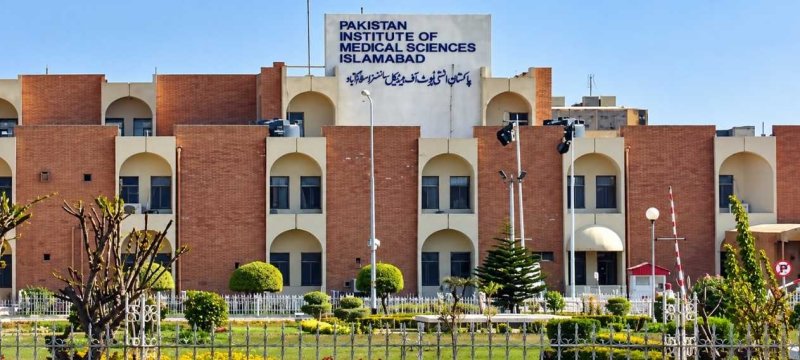
Public hospitals are an essential part of Pakistan’s healthcare system. They provide medical services to thousands of citizens, particularly those who cannot afford expensive private treatment. My recent experience at the Pakistan Institute of Medical Sciences (PIMS) in Islamabad offered me a perspective on both the challenges within public hospitals and the dedication of the healthcare professionals who serve there.
My brother and I visited PIMS after both of us suffered dog bites. We were wearing shorts and half-sleeved shirts when we arrived at the emergency entrance. However, a security guard stopped us and refused to allow us inside because of our clothing. We had come seeking medical attention, and being stopped at the entrance was an unexpected and disappointing experience.
In an emergency, people naturally expect their medical needs to be given priority. Although hospitals may have dress codes and security policies to maintain discipline, these rules should be implemented with flexibility and common sense, particularly when someone arrives seeking urgent medical attention.
However, my experience at PIMS was not limited to this incident. I would also like to acknowledge the positive behaviour of the hospital’s other staff members, whose cooperation made a meaningful difference to our overall experience.
Once we received assistance, the doctors and other healthcare professionals treated us well. Their professional attitude, cooperation and attention to our medical needs were reassuring. We received good healthcare, and their conduct demonstrated the importance of having dedicated medical professionals in public hospitals.
It would be unfair to allow one negative interaction to overshadow the positive contributions of the doctors and other staff members who work hard to serve patients. Their cooperation deserves recognition, and their efforts reflect the important role that public healthcare workers play in society.
The government also deserves recognition for maintaining public hospitals that provide medical services to people from different economic backgrounds. Institutions such as PIMS are vital because they offer access to healthcare for citizens who might otherwise struggle to afford private medical treatment. Maintaining these facilities, supporting medical staff and improving emergency services are important responsibilities that require continued attention and investment.
At the same time, this incident highlights an area where procedures could be improved. Security personnel should be trained to deal with emergency situations sensitively and direct injured individuals towards medical staff without unnecessary delays. If a dress code is in place, the hospital administration should communicate it clearly and establish a practical way to handle genuine medical emergencies.
Good governance involves more than establishing rules. It also requires ensuring that policies are applied fairly and that citizens are treated with dignity. A hospital can maintain discipline while ensuring that a patient’s need for medical assessment remains the priority.
My purpose in sharing this experience is not to criticise the entire institution or overlook the efforts of the government and healthcare workers. Rather, I want to highlight both the positive aspects of our visit and an incident that deserves consideration. The doctors and other cooperative staff members provided a positive example of public service, while the difficulty at the entrance showed how certain procedures could be handled better.
Ultimately, my experience at PIMS was a mixture of disappointment and appreciation. We faced an unnecessary difficulty at the entrance, but we also encountered helpful professionals and received good medical care.
A strong public healthcare system needs both effective rules and compassionate people. By appreciating the dedication of doctors and cooperative staff while addressing shortcomings in administrative procedures, PIMS and other public hospitals can continue improving their services and strengthening public trust. The goal should be simple: every patient should receive respectful treatment and timely medical attention, regardless of their circumstances.