Lahore police have introduced stricter security measures for online transport services after discovering criminal records linked to more than 2,000 commercial vehicle drivers.
The findings have raised serious concerns about passenger safety across the city’s growing ride-hailing industry. Authorities have ordered companies to strengthen driver verification and introduce additional security arrangements.
According to Lahore Traffic Police, around 10,000 commercial vehicle drivers underwent background checks. The investigation identified 2,050 drivers with criminal records. These individuals were collectively linked to approximately 3,700 registered criminal cases.
The findings mean that more than one in five drivers screened had a recorded criminal history. However, having a criminal record does not automatically mean every individual was convicted.
The development has increased pressure on ride-hailing companies to improve their registration and monitoring systems.
Lahore Police Introduce Strict Rules for 2,000 Drivers
Lahore Traffic Police has warned that drivers with serious criminal backgrounds will not be allowed to operate online taxis.
Authorities have also directed ride-hailing companies to submit complete records of their drivers. Police will examine these details before deciding their eligibility for commercial transport services.
The new instructions aim to prevent individuals with serious criminal histories from transporting passengers.
Companies that fail to follow the required security measures could face strict enforcement action. Officials have stressed that public safety must remain more important than commercial interests.
Dashboard Cameras and GPS Tracking Made Mandatory
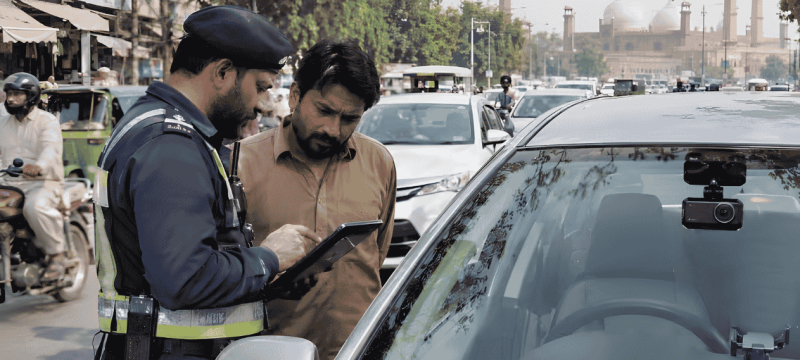
Traffic police have also instructed ride-hailing operators to install dashboard cameras and GPS tracking devices in their vehicles.
Dashboard cameras are expected to record activities inside and around vehicles. These recordings could help investigators examine accidents, passenger complaints, disputes, and other incidents.
GPS tracking will allow authorities to monitor vehicle locations and follow journeys more effectively. The technology could also help police respond quickly during emergencies.
The measures are expected to improve security for both passengers and drivers.
QR-Based Panic Buttons for Passenger Safety
Another important requirement involves the installation of QR-based emergency panic buttons.
Ride-hailing companies have been directed to introduce these systems as soon as possible. The technology will provide passengers with an additional way to seek help during dangerous situations.
Passengers will be able to scan a vehicle’s QR code using their smartphones. The system can provide vehicle information and support emergency reporting.
Through supported features, passengers may also share their location and vehicle details with police and Safe Cities authorities.
This system is intended to improve communication between passengers and emergency response teams.
More Than 100,000 Vehicles Under Security Review
Lahore has more than 100,000 motorcycles, rickshaws, and cars operating as online taxis. Ensuring security across such a large transport network presents a major challenge.
Companies will need to invest in surveillance cameras, GPS equipment, and emergency systems. They must also maintain accurate driver records and ensure proper background verification.
Authorities have not yet announced a final installation deadline or detailed penalties for non-compliance.
The effectiveness of the new measures will depend on proper implementation. Police will need to ensure that companies verify driver backgrounds and maintain functional security equipment.
The discovery involving 2,000 Drivers has highlighted the importance of passenger protection. The new requirements aim to make Lahore’s ride-hailing services safer and more accountable.
In other news read more about: Lahore Police Tighten Security Rules for Online Taxi Services