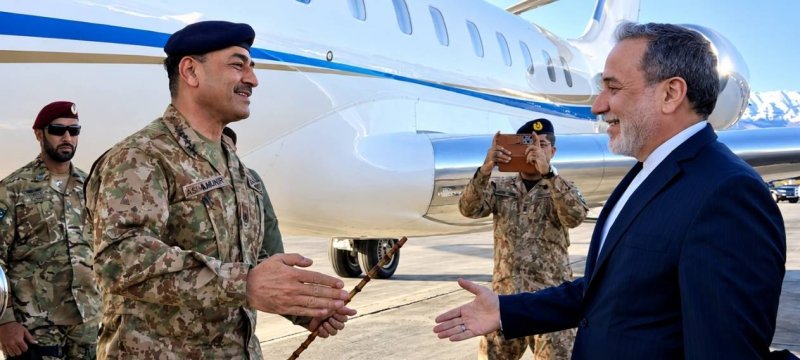
ISLAMABAD: Pakistan’s Chief of Defence Forces and Chief of Army Staff, Field Marshal Asim Munir, arrived in Tehran on Tuesday, October 20, 2026, with a delegation of Pakistani officials, as regional tensions and efforts to revive US-Iran negotiations remain unresolved.
Iran’s semi-official Mehr News Agency reported the arrival. The visit comes as Pakistan continues diplomatic engagement with Tehran and Washington in an effort to reduce tensions and encourage dialogue.
Iranian Foreign Ministry spokesperson Esmaeil Baqaei said the discussions were primarily focused on strengthening relations and cooperation between Pakistan and Iran. He also acknowledged that some exchanges involved negotiations between Tehran and Washington, according to Anadolu Agency.
The visit is taking place against the backdrop of stalled US-Iran diplomatic efforts and continuing disagreements over regional security.
Asim Munir’s Tehran Visit Focuses on Pakistan-Iran Relations
The visit provides an opportunity for Pakistani and Iranian officials to discuss bilateral cooperation and developments affecting the region.
According to Iranian officials, strengthening ties between the two neighbouring countries remains the main purpose of the discussions. Although the visit has attracted attention because of Pakistan’s mediation efforts, it does not by itself confirm that direct negotiations between Iran and the United States have resumed.
The full schedule of meetings and any agreements reached during the visit had not been publicly confirmed in the reports available at the time of writing.
Pakistan’s Role in US-Iran Diplomacy
Pakistan has maintained contact with both Washington and Tehran as part of its efforts to support de-escalation and diplomatic engagement.
Islamabad’s involvement has become particularly significant amid continuing disagreements between the United States and Iran. Pakistani officials have previously expressed support for dialogue as a way to reduce regional tensions.
The latest visit follows earlier discussions between Munir and Iranian leaders during the summer. Those talks reportedly addressed ways to prevent further escalation, improve regional stability and move towards ending the conflict.
Pakistan’s diplomatic engagement reflects its interest in avoiding a wider regional crisis that could affect security, trade and economic conditions.
Strait of Hormuz Remains a Key Issue
The Strait of Hormuz remains an important concern in discussions about regional security. The narrow waterway connects the Persian Gulf with the Gulf of Oman and serves as a major route for international oil and gas shipments.
Disruption to shipping through the strait can affect energy supplies, transport costs and global markets.
Earlier discussions involving Pakistani and Iranian officials reportedly included efforts to reduce tensions around the waterway and restore stable maritime movement.
Iran has also put forward proposals linked to reopening the strait, but disagreements with Washington remain unresolved. The latest Tehran visit therefore comes at a time when regional security and energy transportation continue to feature prominently in diplomatic discussions.
Iran Says Cooperation Is the Main Priority
Iranian Foreign Ministry spokesperson Esmaeil Baqaei said the visit was mainly concerned with bilateral relations and closer cooperation between Islamabad and Tehran.
He acknowledged that some discussions touched on negotiations involving Iran and the United States, while emphasising that strengthening relations between the neighbouring countries remained the central focus.
His remarks suggest that the visit should not automatically be interpreted as confirmation of a new round of direct US-Iran talks.
In other news read more about: Rajasthan BJP Leader’s Remark on US Support for Attacking Pakistan Goes Viral
No new agreement between Washington and Tehran had been announced in connection with the visit in the reports reviewed for this article.