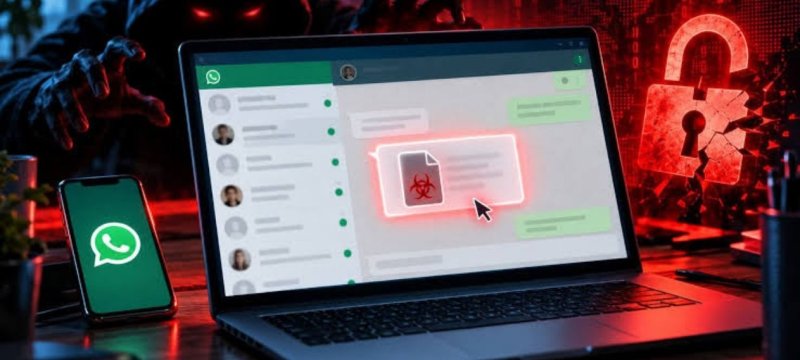
Pakistan has issued a high-level cybersecurity alert, warning government officials about potential threats involving WhatsApp Web and Desktop on Windows computers. The advisory urges officials handling confidential information to stop using these applications on Windows systems as a precaution.
The National Cyber Emergency Response Team (National CERT) issued the warning over reported cyber threats targeting messaging platforms and email users. According to the advisory, attackers may use malicious files to steal passwords, access sensitive information, and gain remote control of computers.
The alert highlights growing concerns about targeted phishing attempts and malware distribution. Cybercriminals may disguise harmful files as official documents to trick recipients into opening them. These files can reportedly be shared through WhatsApp Web, WhatsApp Desktop, or email.
Cyberattacks may target users through fake documents
National CERT warned that attackers could impersonate government departments, public officials, or trusted contacts. Their messages may appear genuine and encourage recipients to download or open attachments.
Once a malicious file is executed, attackers could gain unauthorized access to a Windows computer. This access may allow them to collect passwords, retrieve confidential records, or control certain system functions remotely. The risks are particularly serious for government departments and organisations handling sensitive information. A compromised computer could potentially expose internal records and other protected data.
The advisory also cautions users against trusting every message from familiar WhatsApp contacts. An unexpected attachment or suspicious link could still pose a threat, even when it appears to come from someone they know. National CERT has advised users to check WhatsApp’s Linked Devices section regularly. Unfamiliar devices connected to an account may indicate unauthorized access and should be investigated.
Security measures recommended by National CERT
As an immediate precaution, officials handling sensitive information have been advised to avoid WhatsApp Web and Desktop on Windows computers. The advisory also warns against transferring files received through WhatsApp to official Windows systems.
Users should close suspicious WhatsApp Web sessions and avoid opening unverified attachments. They should never share passwords, one-time passwords (OTPs), or account verification codes with others.
The cybersecurity agency has also recommended enabling two-step verification on WhatsApp and other online accounts. Keeping Windows, web browsers, and installed applications updated can help address known security vulnerabilities. These measures aim to reduce the risk of unauthorized access and protect sensitive information. Users should remain cautious when receiving unexpected messages, particularly those requesting urgent action or containing unfamiliar files.
What to do if a computer may be compromised
National CERT has outlined emergency steps for users who suspect their computers or WhatsApp accounts have been compromised. Affected Windows computers should be disconnected from the internet and local networks immediately.
Users should preserve suspicious messages, attachments, and relevant system logs for investigation. They should also avoid reopening files suspected of containing malware. The advisory does not announce a nationwide ban on WhatsApp. Instead, it specifically warns about using WhatsApp Web and Desktop on Windows systems that handle sensitive information.
In other news read more about NCCIA Arrests Around 200 Foreign Nationals In Islamabad Call Center Raid
The warning underscores the importance of digital security practices across government departments and other organisations. Careful handling of attachments, stronger account protection, and timely software updates can help reduce exposure to cyberattacks.