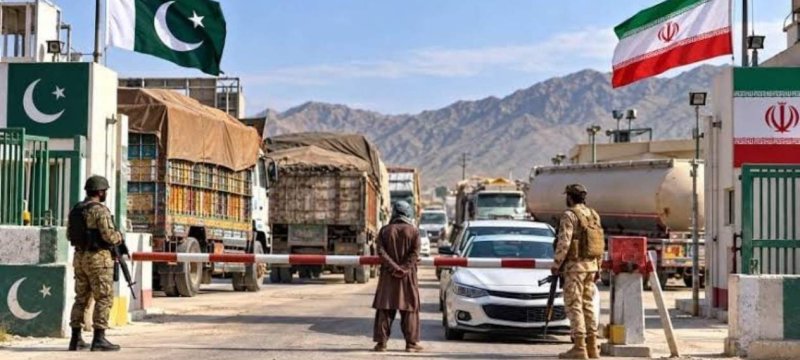
Pakistan partially reopened its Iran Border on Wednesday after several days of trade disruption. However, the continued suspension of imports has raised concerns about a possible shortage of liquefied petroleum gas (LPG).
Traders claim around 1,500 gas-carrying vehicles remain stranded on the Iranian side. The situation has raised fears of rising LPG prices in major Pakistani cities, including Lahore and Karachi. Businesses dependent on cross-border trade are also facing uncertainty.
The partial reopening followed key diplomatic meetings in Tehran. Field Marshal Syed Asim Munir recently visited Iran as part of diplomatic engagements between the two countries. Meanwhile, traders have urged Pakistani authorities to restore the movement of essential imports.
Officials in Balochistan confirmed that export shipments had resumed through certain border crossings. Authorities in Kech and Chagai reported the restoration of exports after commercial traffic was suspended on Saturday. However, imports from Iran remained halted at the time of the reports.
The government had not issued a formal notification confirming the reopening arrangements. It also had not announced when normal commercial activities would resume. This uncertainty has complicated planning for traders and transport operators on both sides.
The initial closure left hundreds of cargo vehicles stranded across the border. The disruption affected the movement of goods and created difficulties for businesses relying on regular cross-border supplies. Traders continue to seek clarity about the restrictions and the expected timeline for restoring imports.
The most significant concern involves Pakistan’s LPG supply. According to the reported information, a substantial portion of Pakistan’s LPG consumption depends on supplies from Iran. Prolonged restrictions could therefore put additional pressure on domestic availability and prices.
The situation has drawn particular attention in cities such as Lahore and Karachi. Any extended interruption in supplies could affect consumers and businesses that rely on LPG. However, the extent of any shortage and its potential impact on prices remain uncertain.
Iran’s semi-official Fars News Agency also reported on the border situation. It said the crossings remained closed until at least 9pm on Tuesday. The report raised questions about the implementation of reopening arrangements following diplomatic discussions.
Fars further claimed that Pakistani customs authorities had not reopened the crossings despite discussions between the two countries. Subsequent statements from traders indicated that exports had resumed while imports remained suspended. These differing accounts have added to uncertainty surrounding the Iran Border reopening. While Pakistani officials in Balochistan confirmed the movement of exports, traders continued to report restrictions on incoming goods.
In other news read more about Saudi Coalition Intercepts Four Drones Heading Towards Madinah
The restoration of normal trade remains important for businesses on both sides. Traders are waiting for clear instructions regarding imports, cargo movement, and border operations. Until authorities clarify the situation, concerns over stranded vehicles and LPG availability are likely to continue. A formal announcement could help traders understand the applicable arrangements and plan their shipments accordingly.