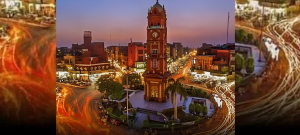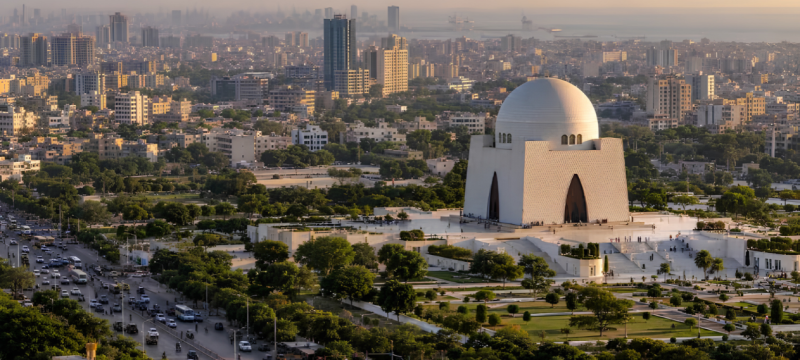
Karachi’s rapid urban expansion is raising concerns about rising temperatures, urban flooding, and public health. A recent note from the Space and Upper Atmosphere Research Commission (SUPARCO) reportedly shows significant growth in the city’s built-up area.
According to the note, Karachi’s built-up area has increased by around 32 percent since 2010. It now covers more than 1,400 square kilometres.
This expansion represents approximately 340 square kilometres of additional developed land over fifteen years. Farmland, open plots, and natural spaces have increasingly given way to housing projects and roads.
The growth is changing the city’s landscape and creating new environmental challenges. Experts and urban planners have warned about the effects of reduced green spaces and expanding concrete surfaces.
Karachi Faces Rising Heat Risks
Extreme heat has become a serious concern for Karachi residents. In June 2015, temperatures reached 45°C, and more than 1,000 people reportedly died within about a week.
Power outages worsened the crisis by disrupting water pumps and household cooling systems. Concrete buildings and asphalt roads also absorb heat during the day and release it slowly at night.
This effect prevents the city from cooling properly after sunset. Reduced tree cover and fewer open spaces make the situation more difficult.
High humidity adds another risk because it reduces the body’s ability to cool itself through sweating. As a result, dangerous conditions can develop before an official heatwave announcement.
Urban planner M Toheed, associated with the Institute of Business Administration, estimates that Karachi has lost around 40 percent of its green cover in fifteen years. However, this figure requires verification through reliable land-cover data.
Concrete Expansion Increases Flooding Concerns
Rapid construction is also affecting the city’s ability to absorb rainwater. Natural ground allows water to seep into the soil, while concrete surfaces send more water towards drainage systems.
In August 2020, Karachi received a record 230.5 millimetres of rain in one day. This rainfall broke a record that had stood since 1967.
According to the Sindh chief minister’s count, 47 people died in the city during the episode. Overwhelmed drains contributed to severe flooding across affected areas.
SUPARCO has warned that construction over natural ground can increase the risk of similar flooding. Continued development without effective drainage planning could make future rainfall events more damaging.
Power Outages Affect Vulnerable Communities
The effects of extreme heat are not equal across Karachi. Toheed estimates that between 62 and 70 percent of residents live in informal settlements.
Many families live in crowded homes with tin or steel roofs. Such buildings can become extremely hot during summer afternoons, especially when electricity is unavailable.
Toheed identified North Karachi, Ajmer Nagri, Pahar Ganj, and Lyari among areas experiencing prolonged power cuts. Some neighbourhoods reportedly face outages lasting 10 to 14 hours daily.
He also cited outages lasting up to 18 hours on Baba Bhit Island. These conditions can make a working fan essential for basic comfort and safety.
The report also highlights power cuts in areas such as Clifton and DHA. K-Electric reportedly began cutting supply in previously exempt areas, citing an LNG shortage.
Women, Children, and Elderly Residents Face Greater Risks
Women, children, and older people can face additional difficulties during extreme heat. Household responsibilities and limited mobility may prevent some residents from finding cooler places.
Heat also creates financial pressure for low-income families. Outdoor workers may lose earnings when temperatures make physical labour unsafe.
Children can struggle to concentrate at school, while medical expenses may consume household savings. These effects often receive less attention than major disasters, despite their long-term consequences.
Better Planning Could Help Cool Karachi
Weak oversight and unclear responsibility remain major challenges for urban management. The Supreme Court has repeatedly criticised the Sindh Building Control Authority over illegal construction.
During one hearing, the court also raised allegations involving bribery by officials. Karachi’s mayor has previously told the court that his authority extends to only about 10 percent of the city.
Urban planners have called for stronger coordination and clearer accountability. One proposal is to appoint a dedicated heat officer to oversee preparation and emergency responses.
Toheed has also referred to the 2017 Heat Wave Management Plan, which reportedly expects the power company to maintain supply during heatwaves. His claim that this requirement is not being followed needs an official response.
Solar energy could offer another option, but access remains limited. Toheed estimates that only around one in ten households has solar power.
Many families cannot afford panels or live in rented homes. Others lack suitable rooftops for installation.
Experts also stress the importance of protecting trees, parks, and open land. Shaded neighbourhoods can reduce heat exposure and improve living conditions.
Karachi’s environmental challenges require long-term planning and effective implementation. Protecting green spaces, improving drainage, and strengthening electricity reliability could help reduce future risks.
The city may not become cooler overnight. However, better planning could make Karachi safer and more resilient as its population and built-up areas continue to grow.
In other news read more about: Lahore Reels Under Early Heatwave as Urban Growth Fuels Climate Crisis