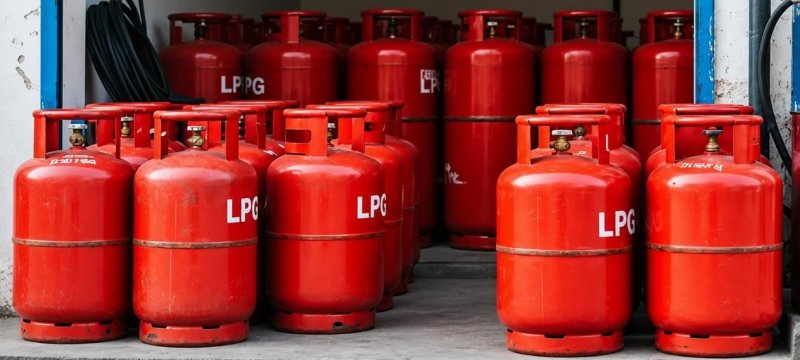
KARACHI, Pakistan: Liquefied petroleum gas (LPG) supplies in Pakistan could improve following the arrival of two imported gas shipments at Port Qasim and reported progress in reopening the Pakistan-Iran border route for LPG transportation.
Industry estimates suggest LPG prices could decline by Rs 50 to Rs 70 per kilogram as additional supplies enter the domestic market. Some reports have suggested a possible reduction of Rs 70 to Rs 80 per kilogram, although no nationwide price cut of this size has been confirmed.
The developments come after border disruptions left LPG tankers stranded and contributed to shortages and rising prices in several areas. Karachi and parts of Khyber Pakhtunkhwa have faced supply pressures, increasing concerns among households and businesses that rely on LPG for cooking and other daily needs.
According to recent media reports, more than 200 LPG bowsers could receive clearance at the Gabd-Rimdan crossing, potentially bringing another 3,000 to 4,000 metric tonnes of gas into Pakistan. The timing and scale of the expected price reduction will depend on the movement of these supplies and their distribution to local markets.
Pakistan-Iran Border Route Offers Hope for LPG Supply
The Gabd-Rimdan crossing is an important trade route for LPG transportation between Pakistan and Iran. Disruptions at the crossing reportedly delayed the movement of hundreds of gas tankers, putting additional pressure on domestic availability.
Industry reports indicate that the clearance process for stranded LPG bowsers is expected to resume. More than 200 vehicles could transport an estimated 3,000 to 4,000 tonnes of LPG into the local market.
The additional imports could help wholesalers and distributors replenish stocks and address shortages in affected areas.
However, reports about the reopening and clearance of LPG imports have varied. Reuters reported on October 23 that LPG imports remained halted at that time, despite the reopening of the crossing for certain Pakistani exports. The subsequent status of individual tankers and import clearances should therefore be confirmed before treating the expected volumes as delivered supplies.
LPG Prices May Decline by Rs 50 to Rs 80 Per Kg
Consumers could benefit if the arrival of imported gas improves supply across Pakistan.
Industry estimates reported by local media point to a possible reduction of Rs 50 to Rs 70 per kilogram. Other reports have suggested that prices could fall by Rs 70 to Rs 80 per kilogram, but this higher estimate has not been confirmed as an official nationwide change.
Actual market rates will depend on the quantity of LPG released into the distribution network, transportation expenses, local demand and the prices charged by suppliers.
Consumers should not assume that the projected reduction has already taken effect. Official notifications and prevailing retail rates will be needed to determine the actual change in each market.
Two LPG Ships Bring 7,603 Tonnes to Port Qasim
Pakistan has also received additional LPG supplies through Port Qasim near Karachi.
According to the Port Qasim Authority’s shipping information, two vessels carried a combined 7,603 metric tonnes of imported LPG. The cargo was intended for Sui Southern Gas Company (SSGC).
The reported shipments were:
- PGC Yanias: 4,520 metric tonnes of LPG.
- Alisa One: 3,083 metric tonnes of LPG.
- Combined quantity: 7,603 metric tonnes.
These shipments provide an additional source of imported gas for Pakistan’s domestic market. However, the cargo quantities alone do not establish how much LPG has reached retailers or when consumers will see a price reduction.
The effect on availability will depend on cargo handling, storage, transportation and distribution arrangements.
Pakistan Could Receive More Than 10,000 Tonnes of Additional LPG
If the reported border imports proceed as expected, the incoming supplies could add considerably to the LPG already handled at Port Qasim.
| Supply source | Reported quantity |
|---|---|
| First LPG vessel | 4,520 tonnes |
| Second LPG vessel | 3,083 tonnes |
| Expected border imports | 3,000–4,000 tonnes |
| Combined reported and expected supply | 10,603–11,603 tonnes |
The combined figure includes the 7,603 tonnes reported at Port Qasim and the estimated quantity expected from border imports. It should not be interpreted as the amount already delivered to local distributors.
Faster clearance and distribution could improve availability in shortage-hit markets, but the final impact will depend on the quantity actually released into the supply chain.
Karachi and Khyber Pakhtunkhwa Face Supply Concerns
Karachi and parts of Khyber Pakhtunkhwa have experienced pressure on LPG availability following disruptions to imported supplies.
The arrival of the two vessels and the anticipated movement of gas tankers through the Iranian border route could help replenish stocks in affected areas.
LPG is an important cooking fuel for households that lack reliable access to piped natural gas. Small businesses and commercial users also depend on it for daily operations.
Improved supplies could ease shortages and reduce the pressure on buyers, although the timing and extent of relief may differ between cities.
When Will LPG Prices Fall in Pakistan?
The expected reduction will depend on when additional LPG becomes available to wholesalers, distributors and retailers.
Even after imported gas reaches Pakistan, transportation and distribution can take time. Retail prices may also vary according to local supply conditions and delivery costs.
The Oil and Gas Regulatory Authority (OGRA) publishes official LPG price notifications. Consumers can check the latest announcements through the official OGRA LPG price page. <Cite refs={[“turn643669search6”]}/>
For now, the projected reduction of Rs 50 to Rs 80 per kilogram remains an estimate rather than a confirmed nationwide price cut.
In other news read more about: Big Relief for Pakistanis as Manual Electricity Detection Bills Face Nationwide Ban
The additional shipments and reported progress on border clearance could improve Pakistan’s LPG supply in the coming days, but consumers will need to monitor official notifications and local market prices to determine whether the expected relief has materialised.