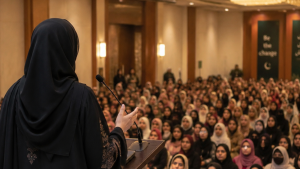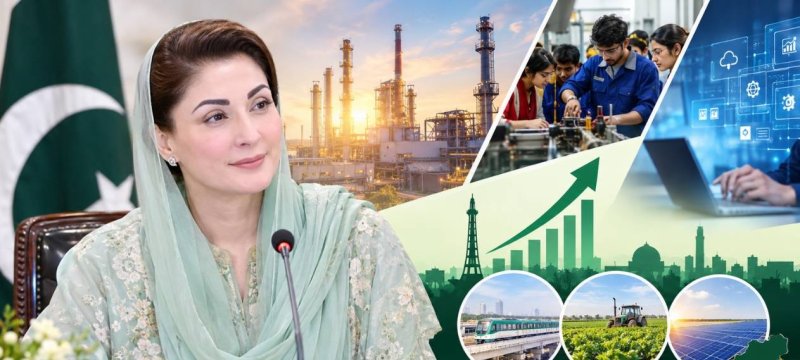
Punjab Chief Minister Maryam Nawaz Sharif has officially launched the Punjab Innovation for Value, Opportunity and Transformation (PIVOT) programme in Lahore.
The initiative aims to strengthen the provincial economy through industrial development, digital transformation, skilled employment and investment opportunities.
Speaking at the launch ceremony on Friday, October 30, Maryam Nawaz highlighted the importance of adapting to modern technology. She said Punjab must prepare its industries and workforce for changing global economic requirements.
The chief minister also discussed business reforms, technical training, environmental regulations and measures to improve the investment climate.
The programme forms part of the provincial government’s wider economic development strategy. Its main objectives include improving industrial productivity, supporting businesses and creating opportunities for skilled workers.
The Punjab cabinet had previously approved the programme’s main features. The approved plan envisages approximately Rs1.995 trillion in investment and more than 162,000 employment opportunities. The proposed investment includes government and private-sector contributions.
Maryam Nawaz said Punjab has a workforce of approximately 36 million people. She stressed that modern industries need employees with relevant technical knowledge and professional skills.
According to her, the provincial government has already trained around 400,000 people. It now plans to prepare another 600,000 skilled workers to meet future employment requirements.
She highlighted the difficulties faced by Pakistani workers seeking employment overseas. Without recognised qualifications and practical training, many workers struggle to secure better-paying international jobs.
The chief minister said professional training could improve employment prospects in both local and international markets.
Maryam Nawaz also discussed environmental regulations and their impact on industrial activity. She said factories must follow environmental standards and undergo necessary inspections.
However, she expressed concern about shutting down industrial units without considering the consequences for workers and businesses.
She stressed that environmental protection and industrial development should progress together. According to her remarks, authorities should focus on compliance while avoiding unnecessary disruption to factory operations.
The chief minister also shared figures about the government’s business financing initiatives. She said approximately Rs200 billion had been provided through the Asaan Karobar scheme to support business development.
She further highlighted improvements in business-related government services. According to her, more than 200,000 people had obtained NOCs and other permissions through business facilitation measures.
The initiative is intended to simplify administrative procedures and reduce difficulties for entrepreneurs and investors. The government is also working to improve access to financing for small and medium-sized businesses.
Maryam Nawaz discussed measures against illegal land occupation and corruption during her address. She said the provincial government was taking action against land-grabbing groups and officials involved in bribery.
She also called for improvements in public service delivery. The chief minister asked provincial ministers to reduce unnecessary official protocol and highlighted the need for better traffic management and accessible public spaces.
On provincial finances, Maryam Nawaz said the government was focusing on increasing revenue by expanding the existing tax base rather than introducing additional taxes.
She outlined a revenue target of Rs1 trillion, compared with the previously stated level of Rs200 billion. However, she did not provide a specific timeline for achieving this target in the reported remarks.
The launch of the PIVOT programme adds to Punjab’s efforts to attract investment and strengthen its industrial base.
The wider plan covers areas such as industrial infrastructure, export competitiveness, agricultural and livestock development, workforce training and public-private partnerships.
Its projected investment and employment figures represent programme targets rather than completed results. Further implementation details will determine how businesses, workers and investors can benefit from the initiative.
In other news read more about: Maryam Nawaz Announces Apna Kissan Bank, Rs10 Million Interest-Free Loans
For now, the Punjab government has placed industrial modernisation, technical education and business development at the centre of its economic growth strategy.