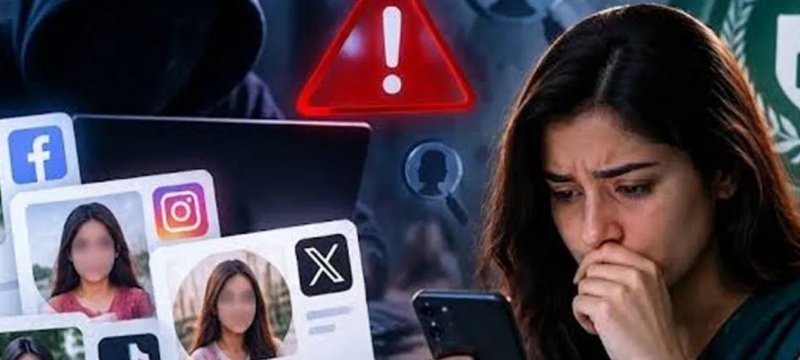
The National Cyber Crime Investigation Agency (NCCIA) has warned citizens against creating fake social media accounts in women’s names. The agency also cautioned against sharing private photographs or personal information without permission. In a social media statement, the NCCIA said such activities are punishable under the law. It urged people to avoid using online platforms to harass, threaten, or blackmail others.
The warning highlights concerns about the misuse of social media and the risks faced by individuals whose personal information is shared without consent. Creating fake profiles to impersonate women can also damage their privacy and reputation. The agency specifically warned against using private photographs or personal details to threaten individuals. Such actions can expose victims to harassment, intimidation, and online blackmail.
The NCCIA encouraged citizens to report suspected cybercrime incidents to the relevant authorities. It also asked complainants to provide evidence that could help investigators examine cases and take appropriate action. Relevant evidence may help authorities understand the nature of the alleged offence and identify those responsible. People experiencing online harassment or blackmail should preserve available records of the incident.
These records may include screenshots of fake profiles, threatening messages, relevant account details, and links to suspicious posts. Victims should retain such information when it is safe to do so and share it with the investigating agency. The warning also serves as a reminder that online activities can have legal consequences. Social media users should respect others’ privacy and avoid sharing personal information without permission.
Fake accounts can be used to impersonate individuals, spread misleading information, or target people with abusive messages. When such accounts are used for threats or blackmail, affected individuals may face additional pressure and distress. The NCCIA stressed the importance of reporting cybercrime rather than allowing abusive online behaviour to continue unchecked. Timely complaints and relevant evidence can assist authorities in investigating reported incidents.
Citizens are encouraged to exercise caution when sharing personal information online. They should also review their privacy settings and avoid sending sensitive photographs or details to untrusted accounts. The agency’s advisory underlines the need for responsible social media use and greater awareness of online safety. Reporting suspected offences through the appropriate channels can help authorities respond to complaints and pursue action under applicable laws.
In other news read more about TikTok Banned at IUB! University Introduces New Social Media
The NCCIA continues to urge the public to take online threats seriously and seek assistance when facing cybercrime. Its warning aims to discourage impersonation, privacy violations, and the misuse of digital platforms for blackmail.