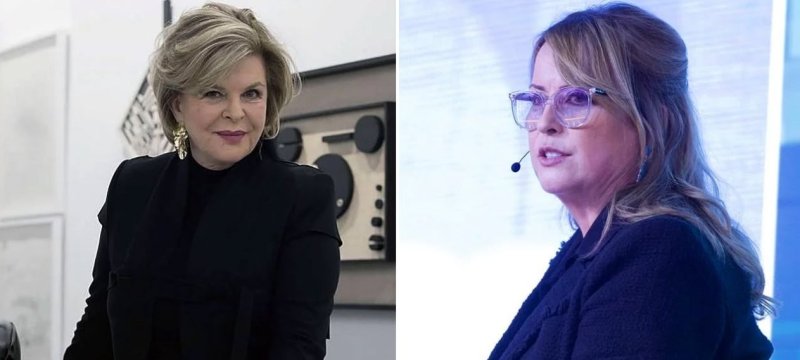
CARACAS: When Venezuelan billionaire Oswaldo Cisneros registered his closed will in Venezuela in December 2017, he named his wife, Mireya Blavia de Cisneros, and all nine of his children as his “sole and universal heirs”. Since his death, that document has become the backdrop to a bitter legal fight within his family.
The nine heirs fall into two groups. Three are daughters from his first marriage: Claudia Susana, Maritza Blanca and María Ella Cisneros Fontanals. Six were adopted by Oswaldo and Mireya, who had no biological children together, in Romania and Colombia: Carmen Elena, Camila Roxana, Alfonso Olaf, Oswaldo Antonio, Laura Gissel and Carla Giovana.
Lawyers representing the three daughters have questioned the testamentary arrangements, alleging that they disadvantaged the daughters by giving the six adopted children greater collective influence over family interests. The litigation has been accompanied by allegations that Mireya sought majority control over family trusts and businesses through the voting strength of the six, reducing the daughters’ influence and inheritance interests.
The dispute erupted after Oswaldo died in Miami on November 8, 2020, setting the Cisneros-Fontanals branch against Mireya and the adopted children. It centres on the children’s inheritance rights, the will and the administration of an estate linked to telecommunications giant Digitel, oil, real estate and other businesses. Venezuelan government sources say tax authorities valued it at more than $10 billion.
The principal legal challenge came from Claudia Susana Cisneros Fontanals, who described herself as a legitimate, compulsory and testamentary heir. On May 12, 2021, she challenged the standing of the six Cisneros-Blavia children, arguing that their adoption judgments had never undergone exequátur, the procedure by which certain foreign judgments are formally recognised in Venezuela, and therefore could not establish them as Oswaldo’s children for inheritance purposes.
On August 3, 2021, the Social Cassation Chamber of Venezuela’s Supreme Tribunal accepted that argument, holding that the foreign adoptions required exequátur, ruling that the six lacked standing in the relevant succession proceedings and ordering related proceedings archived. Mireya sought constitutional review, and on January 31, 2022, the Constitutional Chamber annulled that judgment, finding that qualifying international adoptions governed by the Hague Convention did not require the additional exequátur. The ruling defeated the effort to exclude the six on that ground but did not resolve every issue.
Claudia separately filed a criminal complaint against her stepmother. In July 2021, a Caracas court admitted it. The complaint alleged private violence, extortion and association to commit crimes, citing threats, coercion and other unlawful pressure intended to compel Claudia to perform or tolerate acts she was not legally required to accept, as well as conduct intended to secure a financial advantage or cause her financial loss. Its admission was not a finding of guilt, and the available material does not establish its final outcome.
The adoptions have returned to the centre of the controversy. Venezuelan government sources allege they formed part of a long-term arrangement that increased the Cisneros-Blavia side’s voting strength and gave Mireya’s branch majority influence over family structures, potentially at the expense of the three daughters. One official alleged irregularities and possible fabrication, claiming the adoptions were used in a scheme to obtain majority voting control of the family trust. These allegations have not been established by the court rulings.
Government sources also allege that the SENIAT tax authority calculated a potential inheritance-tax liability exceeding $3 billion. One official claimed there was no record of payment and that authorities were examining inheritance and succession-tax obligations. The figures and payment status have not been independently verified. The same sources have alleged wider personal and corporate tax liabilities, underinvestment, bribery, political kickbacks and irregularities involving family-linked businesses, including Digitel, one of Venezuela’s largest mobile operators, and oil and real estate interests.
Officials have alleged failures to meet investment commitments and possible corruption in business dealings during the presidency of Nicolás Maduro. Government sources have described Mireya as a close ally of the former president and raised suspicions that she has continued lobbying on his behalf; those claims require independent corroboration.
A legal source representing Mireya disputed aspects of the government’s allegations while acknowledging problems involving underinvestment and unfulfilled commitments, attributing some of them to US sanctions affecting Venezuela’s financial system. A legal representative said she would continue to contest the challenges brought by Claudia Susana Cisneros Fontanals.