


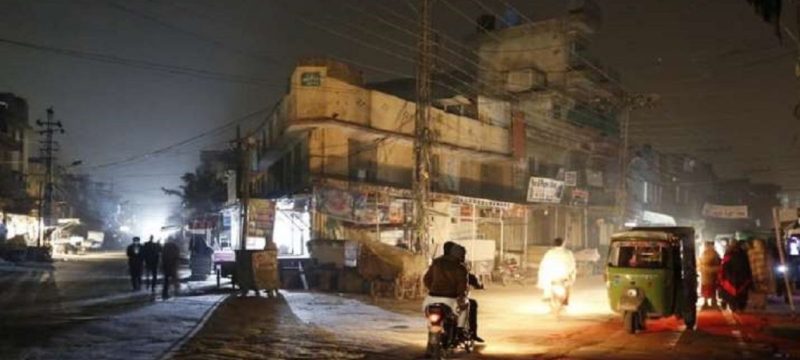
Pakistan may face daily electricity load-shedding and higher power tariffs this summer as the government struggles to manage limited fuel supplies and rising generation costs. Senior officials said authorities are considering a hybrid strategy including restricted load-shedding, mandatory electricity conservation, and fuel cost adjustments to maintain the national power supply.
Liquefied natural gas (LNG), which currently contributes over 21 percent of Pakistan’s electricity, is expected to see a sharp decline in availability, potentially dropping to near zero next month. Officials warned that even if regional tensions ease, LNG supplies may remain critically low, intensifying energy challenges.
Coal, both imported and local, is also expected to remain limited. Combined, LNG and coal account for nearly 30 percent of electricity supplied to the national grid. To cover the shortfall, furnace oil-based power plants may operate during peak hours, though the fuel is far more expensive than LNG or coal, costing around Rs35 per unit compared with Rs20 for LNG and Rs13.50 for imported coal.
The government expects fuel cost adjustments to rise by Rs10–12 per unit due to the shutdown of four LNG-based power plants with a combined capacity of approximately 5,000 megawatts. High-speed diesel, which could cost over Rs80 per unit, will not be used due to its essential demand in transport and agriculture.
Electricity demand typically rises to 27,000–28,000 megawatts in summer, though current peak demand remains below 14,000 megawatts, partly because of increased solar power generation. Officials project daily load-shedding of two to three hours, depending on fuel availability, and plan strict energy conservation measures alongside automatic adjustments in electricity bills.
Gas companies have warned that only about 80 million cubic feet per day may be available for power plants, potentially affecting CNG supplies as additional gas is diverted to electricity generation. Operational issues in coal supply to major plants in Sahiwal and Jamshoro, caused by disputes with Pakistan Railways, threaten up to 1,800 megawatts of generation capacity.
Officials cautioned that if fuel shortages continue, consumers could face more frequent load-shedding and higher electricity costs during the upcoming summer months.
Also read: Pakistan Army’s Gulzar Butt Wins Rustam-e-Pakistan Wrestling Title