

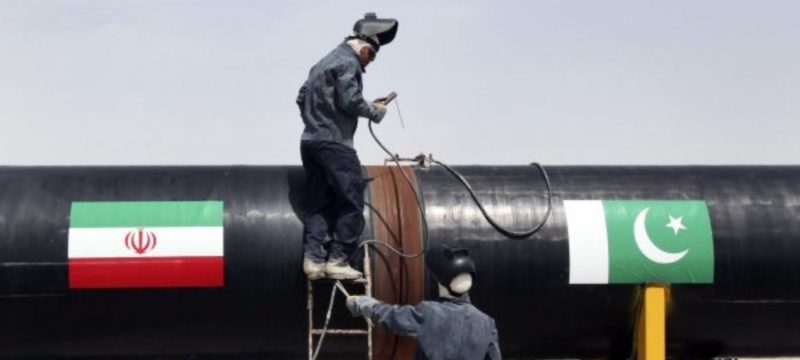
Pakistan and Iran are considering reviving long-stalled gas and oil pipeline projects following renewed peace talks between Iran and the United States in Islamabad.
The Iran-Pakistan gas pipeline project was originally signed in 2009 during the Pakistan Peoples Party government and formally inaugurated in 2013 by Mahmoud Ahmadinejad and Asif Ali Zardari.
Plans for an oil pipeline and a major refinery in Gwadar were also discussed but later stalled due to US sanctions imposed on Iran.
Recent developments in negotiations between Washington and Tehran have raised hopes that sanctions could be eased, potentially allowing work on the long-delayed pipeline to resume.
Energy experts believe the project has gained fresh importance after disruptions in the Middle East exposed vulnerabilities in global oil and gas supply routes, particularly through the Strait of Hormuz.
Pakistan currently relies heavily on energy imports, meeting around 85 percent of its oil demand externally and depending on liquefied natural gas from Qatar to address shortages.
Iran has already completed its portion of the pipeline, while construction on Pakistan’s side remains pending due to past sanctions and domestic challenges.
Analysts say a direct pipeline from Iran could enhance Pakistan’s energy security, reduce reliance on maritime routes, and provide a more stable and cost-effective supply.
Also read: Karachi Faces Gas Load-Shedding Across Multiple Neighbourhoods