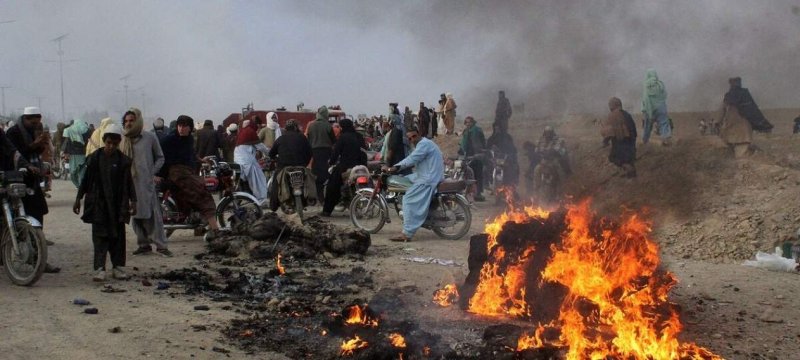
Pakistan has rejected allegations by the Afghan Taliban that its military operations have killed and injured Afghan civilians. The dispute has increased tensions between Islamabad and Kabul over cross-border terrorism and regional security.
Pakistan’s Foreign Office described the accusations as “baseless and unsubstantiated.” It defended the military operations as necessary responses to ongoing terrorist threats originating from Afghan territory. Islamabad said its forces targeted militant groups and their support infrastructure, rather than civilians.
The Foreign Office maintained that the operations were conducted with restraint and remained proportionate to the threats involved. It also referred to self-defence, necessity and last resort as the basis for its actions. Pakistan said its operations followed international humanitarian law principles, including distinction and precaution.
Islamabad also warned that it reserved the right to take necessary measures to protect its sovereignty, territorial integrity and citizens. The statement comes amid conflicting accounts from both sides about military strikes and civilian casualties.
According to Pakistani officials, terrorism originating from Afghanistan caused 1,327 deaths and 2,484 injuries in Pakistan during 2026. Pakistan has accused the Afghan Taliban authorities of failing to prevent militant groups from operating across the border. These groups include Tehreek-i-Taliban Pakistan (TTP) and the Balochistan Liberation Army (BLA).
Pakistan has repeatedly said that armed groups operating from Afghanistan continue to target its security personnel, police and civilians. Islamabad maintains that these attacks persist despite repeated diplomatic efforts to address the issue.
The Afghan Taliban, however, have raised separate allegations about civilian casualties caused by Pakistani military strikes. Afghan Foreign Ministry spokesperson Abdul Qahar Balkhi reportedly told CNN that Pakistani operations had killed or injured 1,119 Afghan civilians since late 2021 or early 2022. Afghan media outlets, including Tolo News, also reported similar claims around October 25 and 26, 2026.
Pakistan has denied deliberately targeting civilians. It says its operations focus on militant hideouts and infrastructure used to plan or support attacks. The competing casualty figures have not been independently reconciled. Security restrictions, limited access and conflicting accounts make verification difficult.
Pakistan has also cited a United Nations monitoring report to support its concerns about militant activity in Afghanistan. The UN Analytical Support and Sanctions Monitoring Team’s 38th report covered December 16, 2025, to June 9, 2026. According to the report, continued Taliban support for the TTP contributed to more frequent and deadly terrorist attacks in Pakistan.
The report also discussed the relocation of around 2,000 TTP fighters and their family members farther into Afghanistan. It examined concerns involving militant networks and connections among the TTP, Al-Qaeda, Islamic State Khorasan Province and other groups, including the BLA.
The Afghan Taliban deny systematically supporting groups that attack Pakistan. Their disagreement with Islamabad over the TTP remains a major obstacle to improving bilateral relations.
The dispute has also extended to allegations involving former US special representative for Afghanistan Zalmay Khalilzad. Around October 24 and 25, Pakistan’s information ministry rejected claims attributed to him that Islamabad was arming Afghans or recruiting them to fight the Taliban. Pakistani officials described the allegations as misleading and again pointed to UN reporting on militant activity.
In other news read more about Saudi Arabia on High Alert After Reported Houthi Missile Attack
The latest exchange highlights the growing diplomatic pressure on both sides. Civilian protection, cross-border militancy and responsibility for attacks remain central issues in the dispute between Pakistan and the Afghan Taliban.