

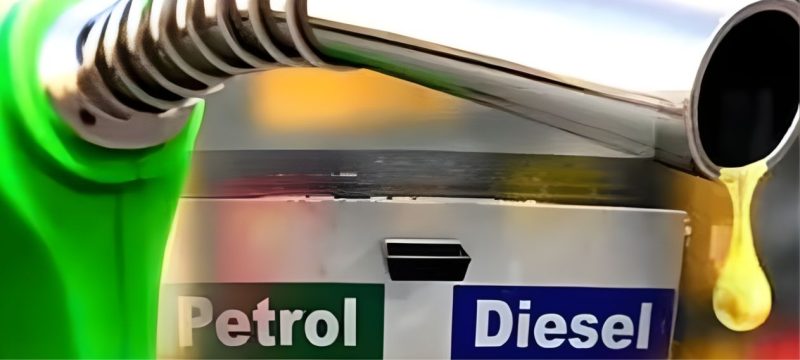
A recent document from Pakistan’s Ministry of Petroleum reveals the taxes and duties applied to petrol and diesel, showing that government levies make up a significant portion of fuel prices.
According to the report, taxes and duties account for 39% of petrol prices per litre and 34% of diesel prices. This means that a large part of what consumers pay goes toward government charges rather than the base fuel cost.
For petrol, Rs100.21 per litre is collected in taxes, duties, and margins. This includes a petroleum levy of Rs84.40, customs duty of Rs13.31, and a climate support levy of Rs2.50 per litre. Diesel carries a total of Rs94.93 per litre in taxes and duties, including a petroleum levy of Rs76.21, customs duty of Rs15.68, and a climate support levy of Rs2.50 per litre.
Oil marketing companies earn a margin of Rs7.87 per litre on both petrol and diesel, while petroleum dealers collect Rs8.64 per litre. Freight charges are Rs8.23 per litre for petrol and Rs6.25 per litre for diesel.
Other petroleum products also face taxes and levies. Kerosene oil has an 11% tax and Rs20.36 per litre levy. Light diesel oil carries a 10% tax and Rs15.84 per litre levy. High-octane fuel is subject to a petroleum levy of Rs84.40 per litre.
The report highlights the overall tax burden embedded in petrol and diesel pricing, amid growing concerns over rising fuel costs in Pakistan.
Recently, the federal government increased petroleum product prices. Petrol rates rose by Rs5 per litre, while diesel increased by Rs7.32 per litre. The new prices took effect immediately. Petrol now costs Rs258.17 per litre, and high-speed diesel (HSD) is priced at Rs275.70 per litre.
In other news read more about: Maryam Nawaz Approves Extended Market Timings for Ramazan
Officials said the revision considered domestic fuel trends, global oil rates, and overall market conditions in Pakistan. This detailed breakdown helps consumers understand how much of their expense on petrol and diesel is actually paid in taxes and levies.