

Prime Minister Shahbaz Sharif called the US-Iran ceasefire a historic achievement for Pakistan. He described it as a “very historic day” and thanked Allah for the success.
The premier said Pakistan’s diplomatic efforts are already positively impacting citizens. Global oil prices have dropped, and the government plans to gradually pass the relief to the public through reduced Petrol Prices.
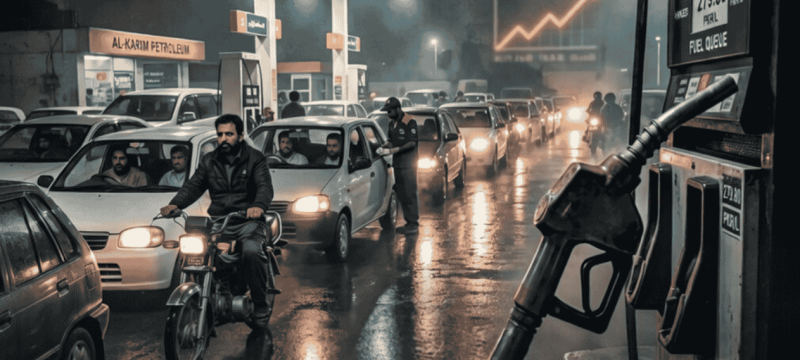
Following the ceasefire, Petrol Prices in Pakistan have fallen significantly. Prices, which had surged to Rs458 per litre amid global tensions, were reduced by Rs80 to Rs378 per litre. This move is part of a broader relief package to ease public burdens after months of high fuel costs.
The federal cabinet announced austerity measures alongside the price reduction. All ministers will forgo their salaries for six months to show solidarity with citizens. The government also confirmed that the previous petrol levy hike of Rs160 per litre has been rolled back, while diesel levies remain zero.
PM Sharif linked the earlier spike in Petrol Prices to global instability, particularly the US-Israel-Iran conflict. He assured the public that fuel costs would return to pre-conflict levels as regional tensions ease.
To further protect citizens from global oil shocks, targeted relief measures are being implemented. Train fares and road taxes will remain stable, and free public bus services will operate in major provinces, including Islamabad, Punjab, and Sindh. These steps aim to reduce daily transport costs for low- and middle-income families.
Experts say the reduction in Petrol Prices may also ease inflationary pressures on essential goods and services, helping stabilize the domestic economy. The government continues to monitor global oil markets closely to provide timely relief measures if needed.
Overall, Pakistan’s proactive diplomacy, combined with fiscal relief, offers immediate benefits to citizens while promoting long-term stability in energy costs.
In other news read more about: Goods Transporters Welcome Revised Petrol Prices