The government and industrial representatives in Pakistan have called for reducing petroleum levies on furnace oil and high-speed diesel to lower electricity generation costs and provide relief to consumers.
The demand was raised during a public hearing conducted by the National Electric Power Regulatory Authority (NEPRA) in Islamabad. Participants argued that heavy taxes on these fuels were increasing the cost of electricity produced at thermal power plants.
According to industry representatives, petroleum levies add approximately Rs10 per unit to electricity generation costs at plants using furnace oil and diesel.
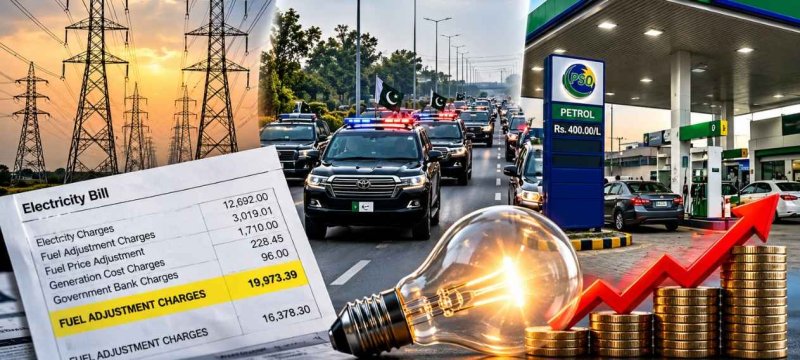
The hearing also examined a request submitted by the Central Power Purchasing Agency (CPPA-G) for a fuel cost adjustment of Rs2.5624 per unit for electricity consumed in September 2026.
If approved, the proposed adjustment could allow approximately Rs32.7 billion to be recovered from consumers through November electricity bills.
Petroleum Levy Increases Electricity Generation Costs in Pakistan
Industrial representatives highlighted the financial impact of petroleum taxes on electricity production.
They said the government was charging approximately Rs76,000 per tonne as a petroleum levy on furnace oil. High-speed diesel also carries a levy of around Rs80 per litre.
According to industry estimates, removing these charges could reduce electricity generation costs at affected power plants from approximately Rs62 per unit to between Rs44 and Rs50 per unit.
Representatives argued that reducing the levies could help lower the financial burden on electricity consumers and the government.
However, these estimates relate to generation using the affected fuels and do not represent a reduction in the overall national electricity tariff.
Why Are Expensive Fuels Being Used for Electricity Generation?
Power sector officials attributed the increased use of expensive fuels to limited supplies of cheaper energy sources.
Disruptions linked to the Iran conflict have also affected fuel availability, increasing pressure on Pakistan’s electricity generation system.
According to figures discussed during the hearing, furnace oil and diesel contributed approximately 3.6% of total electricity generation in September.
Officials said limited availability of liquefied natural gas (LNG) and other affordable fuels had increased reliance on alternative sources of electricity generation.
Although furnace oil and diesel accounted for a relatively small share of the generation mix, their higher production costs contributed to the overall fuel expenses.
Power Division Supports Reduction in Petroleum Levies
The Power Division also supported efforts to reduce petroleum levies on fuels used for electricity generation.
Naveed Qaiser, Chief Financial Officer of the Power Planning and Monitoring Company (PPMC), acknowledged the impact of these charges on electricity costs.
He said the department had already raised the issue at relevant government forums.
Qaiser encouraged industrial representatives to continue engaging with senior government officials to discuss possible reductions.
He also highlighted previous government measures aimed at reducing electricity tariffs for residential and industrial consumers.
Lower electricity costs are considered important for improving the competitiveness of Pakistani businesses and supporting industrial activity.
NEPRA Examines Rs2.56 Per Unit Electricity Price Adjustment
The Central Power Purchasing Agency-Guaranteed (CPPA-G) has requested a positive fuel charges adjustment of Rs2.5624 per unit for September 2026.
According to the agency’s submitted figures, the actual fuel cost reached Rs10.0220 per unit, compared with the reference cost of Rs7.4596 per unit.
The difference resulted in the proposed additional adjustment.
The request carries an estimated financial impact of approximately Rs32.7 billion.
If approved, the adjustment would be recovered through electricity bills issued in November 2026.
However, the proposed increase does not represent the final amount consumers will pay. The existing positive adjustment of approximately Rs1.11 per unit is due to expire, meaning the net increase could be around Rs1.45 per unit.
NEPRA completed the public hearing on October 29 and reserved its decision on the CPPA-G request.
Industrial Representatives Demand Further Electricity Relief
Representatives from different chambers of commerce also raised concerns about high electricity costs during the hearing.
Amir Shaikh, Arif Bilwani, Tanveer Bari and Rehan Javed called for a review of existing electricity charges and taxes.
They also questioned the continuation of the surplus incremental package, arguing that it was increasing electricity costs for grid consumers.
According to their estimates, the arrangement was adding approximately Rs11 per unit to electricity costs.
Industrial representatives urged the government to review these charges to provide relief to businesses and improve the country’s industrial competitiveness.
Will Electricity Bills Decrease After a Petroleum Levy Reduction?
A reduction in petroleum levies could lower the cost of electricity produced using furnace oil and diesel.
However, the impact on consumer bills would depend on several factors, including the overall generation mix, fuel prices, regulatory adjustments and government tariff policies.
The proposed Rs2.5624 per unit fuel adjustment is a separate matter that NEPRA must decide.
During the hearing, regulators also raised questions about differences in power sector data submitted by relevant organisations. These concerns highlighted the need for accurate information when calculating electricity generation costs.
For now, consumers will have to wait for NEPRA’s final determination on the September fuel adjustment.
Any decision regarding petroleum levy reductions would also require relevant government action.
In other news read more about: Electricity Consumers May Face Higher Bills During Winter Months; Here’s Why
The latest discussions highlight the growing pressure on Pakistan’s power sector to reduce generation expenses and make electricity more affordable for households and industries.