


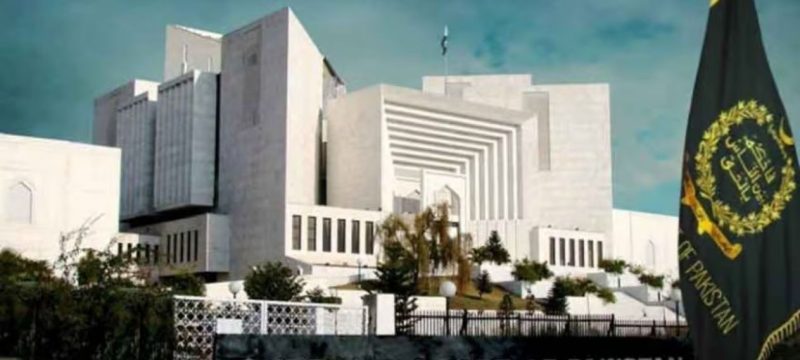
ISLAMABAD – The Supreme Court of Pakistan has officially announced its schedule for the upcoming summer vacation in 2026. The announcement includes new arrangements aimed at improving court performance and reducing case backlogs.
According to the official statement, the decision regarding the summer vacation was made after detailed consultations. It was also approved on the request of the Chief Justice of Pakistan. The goal is to ensure faster disposal of pending cases.
Under the revised plan, judges will continue to observe a four-week summer vacation period, similar to previous years. However, new adjustments have been introduced in their working routine.
During the summer vacation, Supreme Court judges will extend their working hours at the principal seat in Islamabad. This step is intended to maintain judicial productivity even during the holiday period.
At the same time, judges will spend reduced time at branch registries across the country. This change is expected to streamline operations and focus more activity at the main court location.
Officials say the updated system for the summer vacation is designed to improve efficiency. It also ensures that urgent and important cases continue to be heard without unnecessary delays.
The statement further highlighted that judges will remain available during the vacation period for essential matters. This ensures continuity in judicial proceedings and supports timely justice delivery.
Legal experts believe this adjustment may help reduce pending case numbers over time. They also see it as part of broader judicial reforms aimed at improving court performance.
The Supreme Court’s approach to the summer vacation reflects a balance between rest periods and workload management. While judges will still receive scheduled leave, the court system will remain active in a more structured way.
In other news read more about Punjab Govt Launches Major Shift to Paperless Government System Across Province
In conclusion, the 2026 summer vacation plan introduces a more efficient working model. It maintains traditional vacation duration while improving judicial availability and case handling capacity.